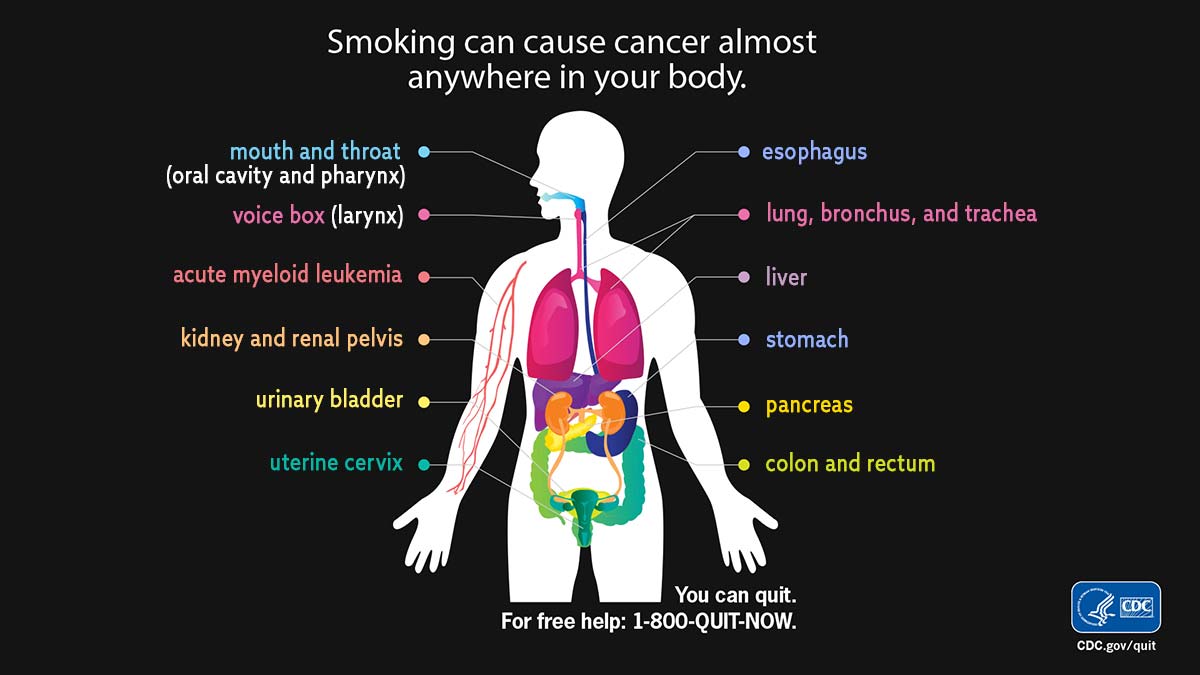
Applying Bayess rule, we have odds(smoker | cancer) = odds(smoker) * p(cancer | smoker) / p(cancer | non-smoker) Rearranging terms, we can solve for the risk ratio: p(cancer | smoker) / p(cancer | non-smoker) = odds(smoker | cancer) / odds(smoker) = 16 Thats the answer I had in mind, but let me address an objection raised by one poll respondent, who chose Other because, You cant draw casual inferences from observational data without certain assumptions which Im unwilling to make. Thats true
-To estimate the market shares of major segments of the Heat-Not-Burn Tobacco Products -To showcase the development of the Heat-Not-Burn Tobacco Products market in different parts of the world
A 5 box set of 200 tubes per box for a total of 1000 in the king size
Specific timing of the packaging upgrade flow-through will depend on existing inventories, it added, but adult smokers can expect to see it on store shelves in the coming weeks
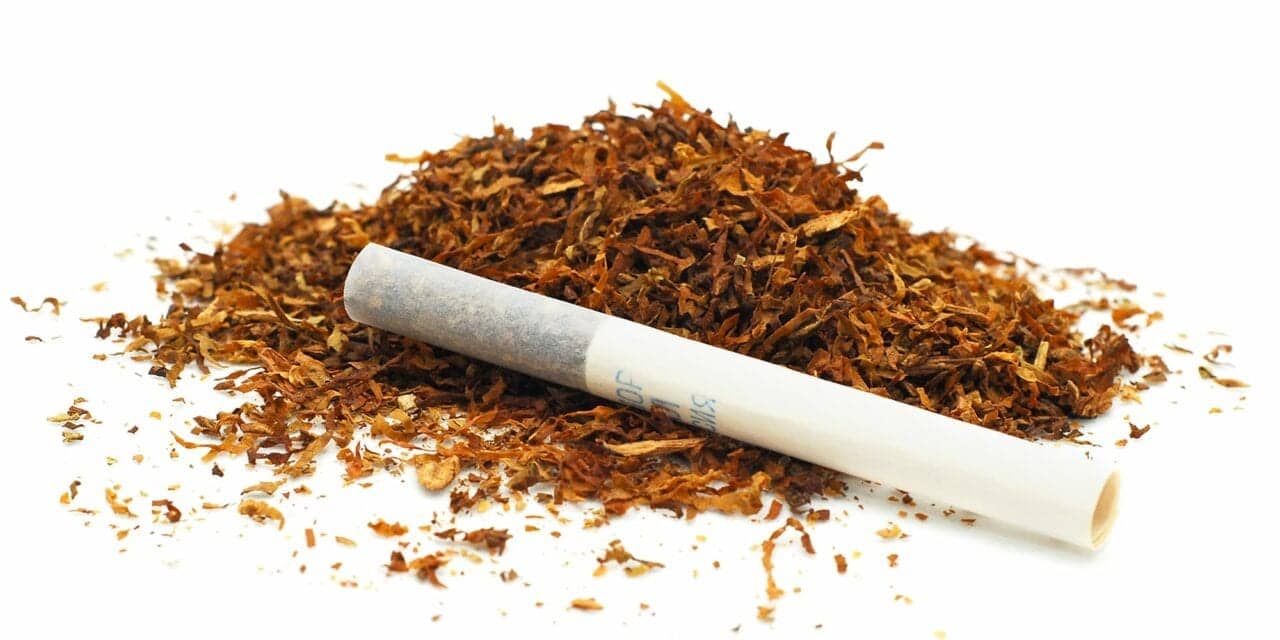
It transforms raw, cured tobacco leaves into a smoother, richer, and more aromatic product ready for blending and cigarette production