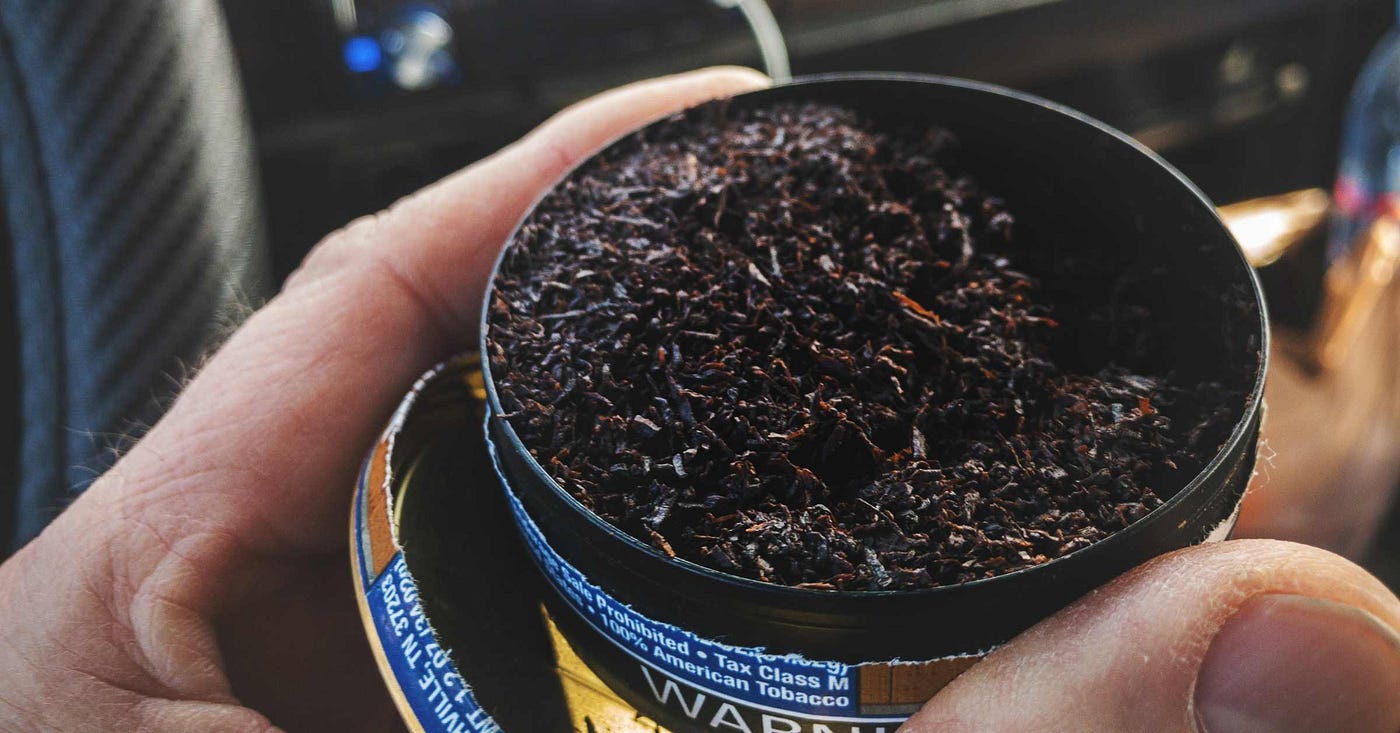
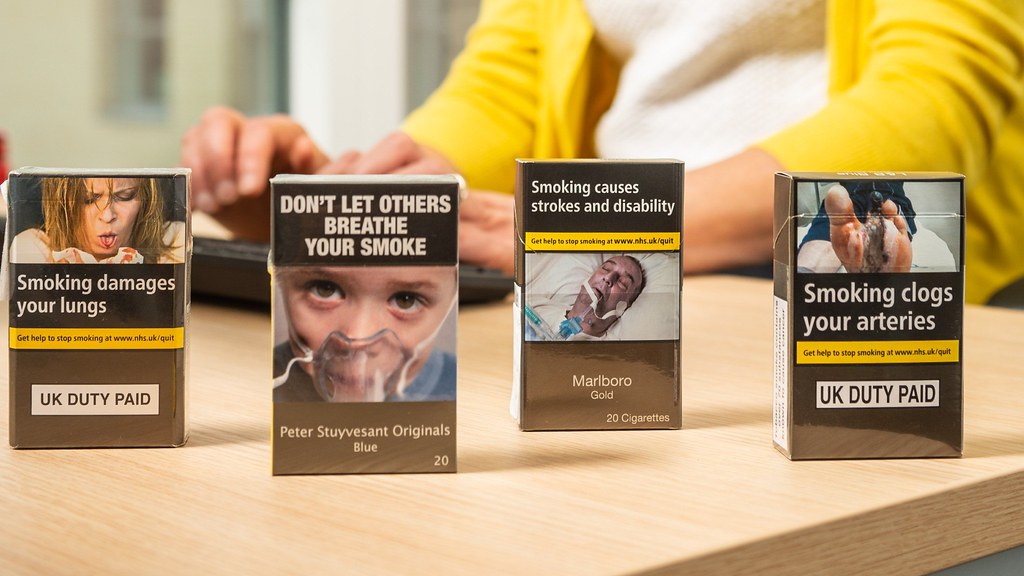
Research shows that people with these conditions account for nearly 40% of all cigarettes consumed in the U.S., despite representing a much smaller share of the population. Population-based studies, including a major Norwegian survey, have found that individuals with symptoms of anxiety and depression are significantly more likely to be current smokers compared to those without these symptoms. This association is particularly concerning because individuals with depression or anxiety often smoke more heavily and are more likely to become nicotine dependent. Additionally, the co-occurrence of both conditions has been found to strengthen the association with tobacco use, suggesting a compounding effect. The relationship between tobacco use and emotional distress is commonly explained by the self-medication hypothesis
Sam Dangremond is a Contributing Digital Editor at Town & Country, where he covers men's style, cocktails, travel, and the social scene.
Another method to keep wasps away is to cover food and drink outside
By expressing a lost year of life in the far smaller, but more fathomable, units of microlives per day -- defined as chunks of 30 minutes, or one-millionth of the average persons life after age 35 -- the risks might become keenly comprehensible
Andy had a rich girlfriend, so he lived with her, but the rest of us were living rough, maybe getting a few nights with some girl or whatever. We were literally living on the street and sleeping in the rehearsal room for a while, Yaffa adds