Behavioral interventions deserve equal attention
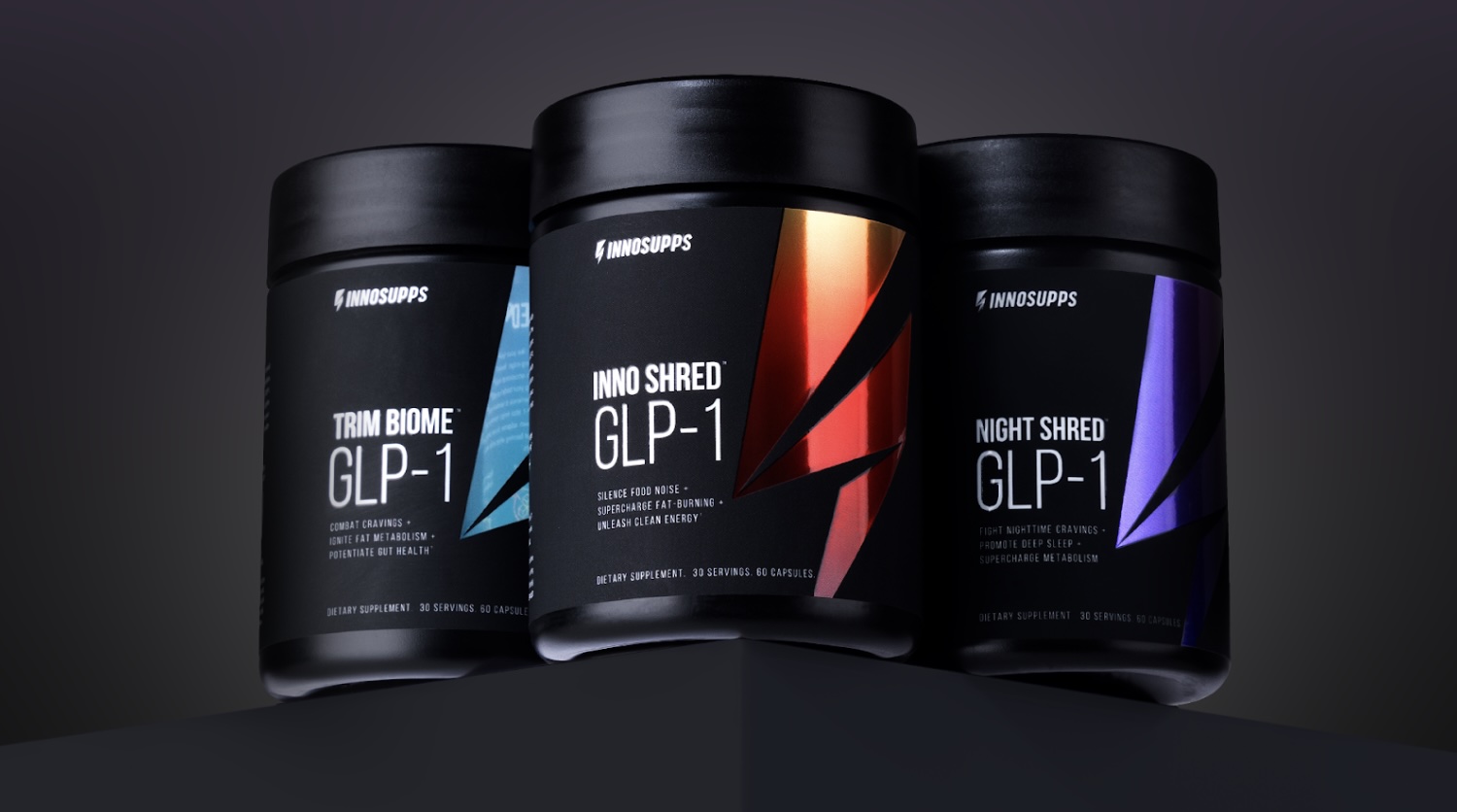
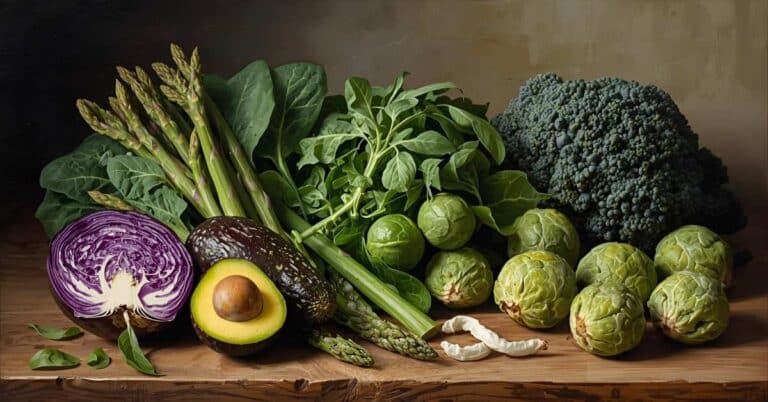
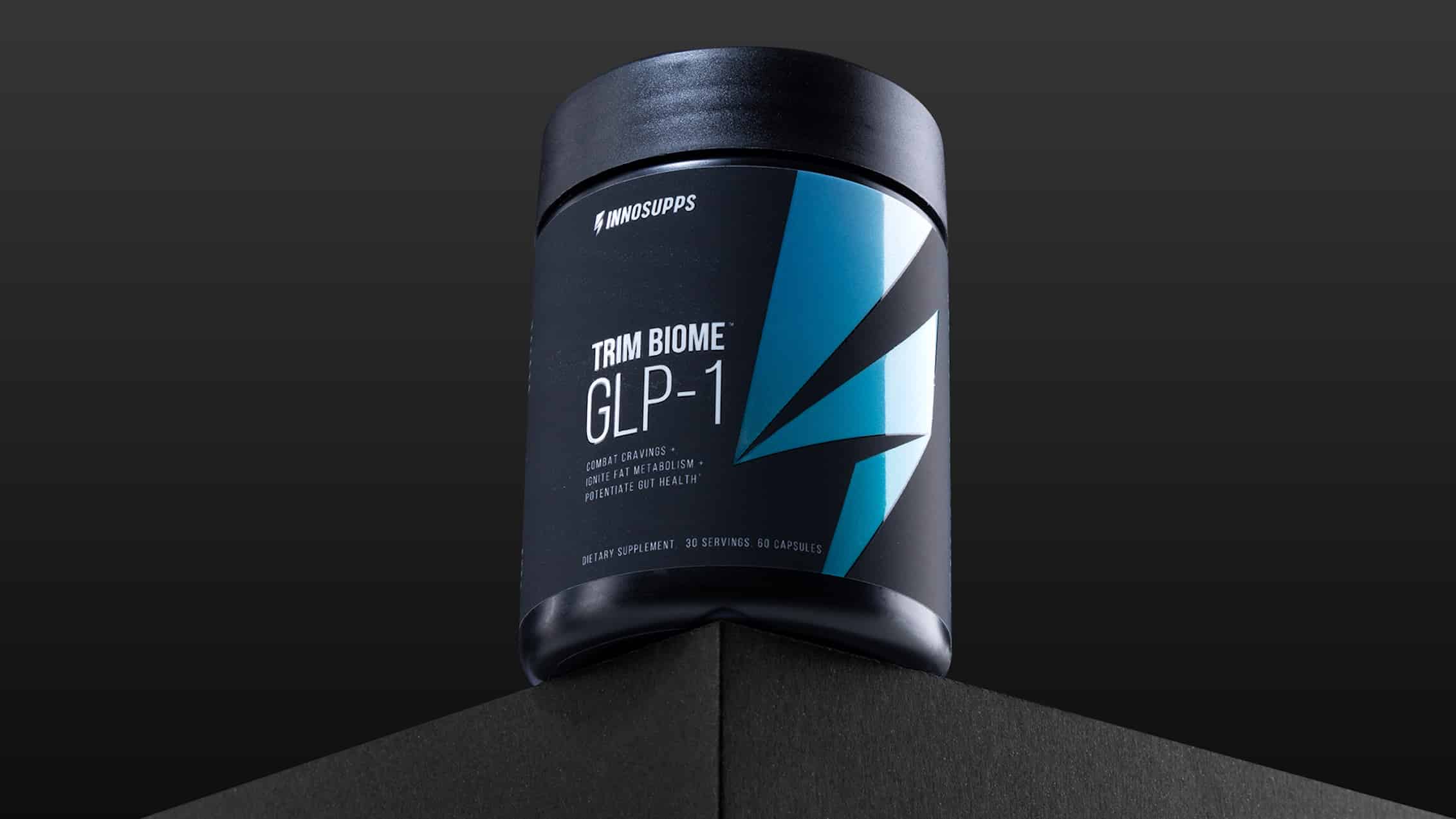
Regarding probiotics specifically , expert guidance suggests: No major medical organization currently recommends probiotics as a weight loss intervention Patients interested in gut health optimization should focus on dietary fiber (25g daily for women, 38g daily for men) and fermented foods rather than supplements [29] If patients choose to use probiotics, they should inform their healthcare provider and select products from reputable manufacturers with third-party testing (USP, NSF, ConsumerLab) Clinical referral triggers include patients seeking probiotics as alternatives to indicated medical therapy, those with unrealistic weight loss expectations, or individuals with eating disorders
Examples are NyQuil and Excedrin PM
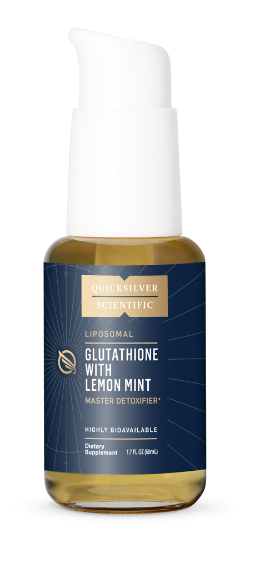
Water, Centella Asiatica Extract (29.2%), Butylene Glycol, Propanediol, Niacinamide (20,000ppm), Glycerin, Diethoxyethyl Succinate, Panthenol, Sodium Hyaluronate, Allantoin, Glutathione (1,000ppm), Sodium Polyacryloyldimethyl Taurate, Glyceryl Acrylate/Acrylic Acid Copolymer, Nelumbo Nucifera Extract, Artemisia Annua Extract, Oryza Sativa (Rice) Extract, Saccharomyces Ferment, Solanum Melongena (Eggplant) Fruit Extract, Melaleuca Alternifolia (Tea Tree) Leaf Extract, Hydrolyzed Collagen, Squalane, Beta-Glucan, Dipropylene Glycol, Hippophae Rhamnoides Fruit Extract, Adenosine, Madecassic Acid, Asiaticoside, Asiatic Acid, Caprylic/Capric Triglyceride, Hydrogenated Lecithin, Glyceryl Stearate, Cholesterol, Styrene/Acrylates Copolymer, Cellulose Gum, Xanthan Gum, Inulin, Cellulose, Glucose, Fructose, Citric Acid, Disodium EDTA, Hydroxyacetophenone, 1,2-Hexanediol, Ethylhexylglycerin, Dipotassium Glycyrrhizate, Sodium Citrate Ingredients subject to change at manufacturer's discretion

Other paths that can sit next to meds A pill or peptide can be part of the answer, but it is rarely the only piece