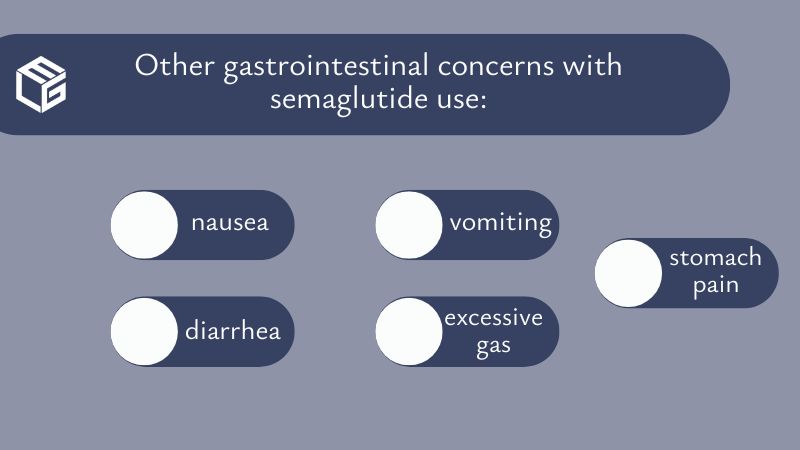
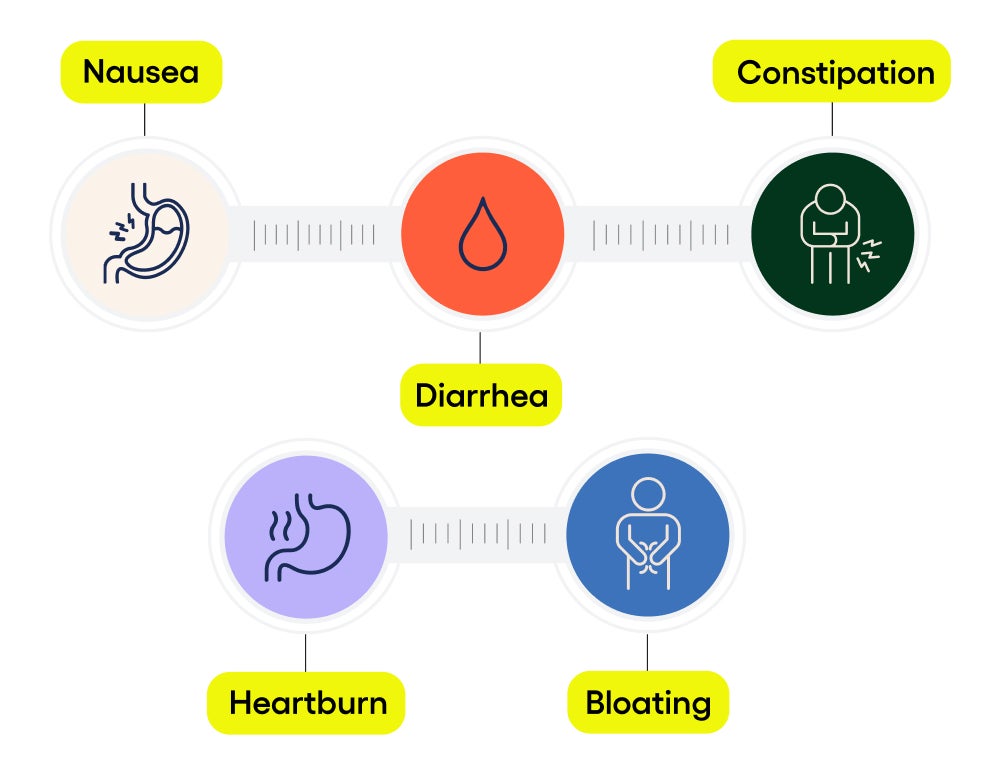
Risk factors that may influence the decision to pause treatment include: Being in the dose-escalation phase of GLP-1 therapy Experiencing active gastrointestinal symptoms (nausea, vomiting, bloating) Having known gastroparesis or other conditions affecting gastric emptying Taking concurrent medications that further delay gastric emptying (e.g., opioids) Undergoing procedures with higher aspiration risk (e.g., emergency surgery, airway surgery) If your anaesthetist or surgical team advises temporary cessation based on your individual risk assessment, the timing will depend on the specific medication: Daily injections (such as liraglutide): Typically paused 24 hours before surgery Weekly injections (such as semaglutide, dulaglutide): Often paused with the last dose given at least 7 days before surgery Oral semaglutide (Rybelsus): Usually paused 24 hours before surgery However, these timings may vary according to local NHS Trust protocols and individual clinical assessment

Lee CJ, Iyer G, Liu Y, et al
Diabetes Obes Metab 27(2):806815 Simms-Williams N, Treves N, Yin H, Lu S, Yu O, Pradhan R et al (2024) Effect of combination treatment with glucagon-like peptide-1 receptor agonists and sodium-glucose cotransporter-2 inhibitors on incidence of cardiovascular and serious renal events: population-based cohort study
Expert Care and Support Why Choose IV Better for GLP-1 Therapy in Carrollton, TX
When the body has a good supply of red blood cells and is working as it should there is enough energy to fight off infections








00203-5/asset/a0abd16a-3eaa-4d78-990d-ba94939c04c6/main.assets/gr2_lrg.jpg)