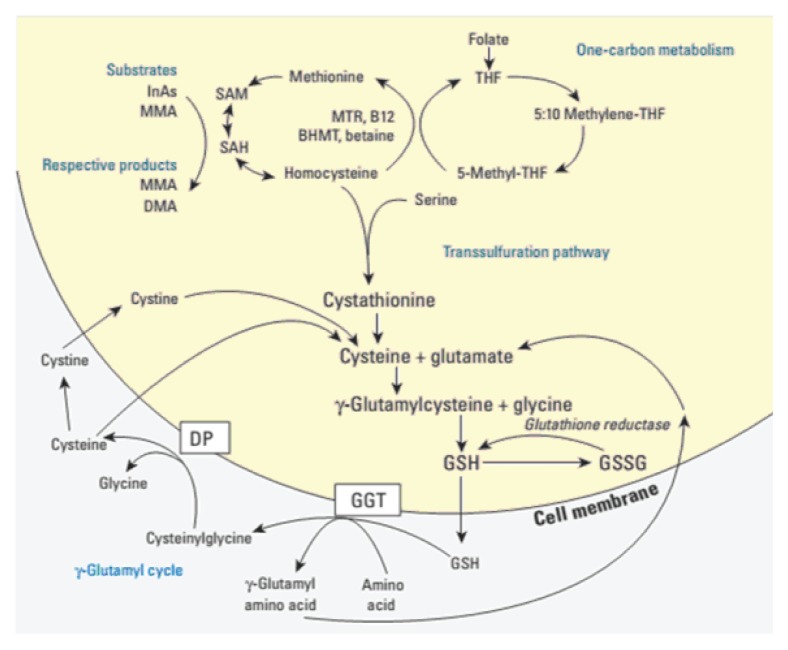
Replenishing glutathione levels through oral liposomal and IV administration accelerates recovery, particularly in patients with genetic variations that impair glutathione production
To understand where this fits, learn how peptide therapy is supervised at Perfect B in Doral and where a specific peptide fits within a complete treatment plan
doi: 10.1007/s10989-022-10365-6 170 LitvackM
65 Guo et al
The following foods have high histamine levels: Alcohol Pickled or canned foods sauerkrauts Matured cheeses Smoked meat products salami, ham, sausage Shellfish Beans and pulses chickpeas, soy beans, peanuts Nuts walnuts, cashew nuts Chocolates and other cocoa based products Vinegar Ready-made meals Salty snacks, sweets with preservatives and artificial colorings The following foods can trigger the release of histamine: Most citric fruits kiwi, lemon, lime, pineapple, plums Cocoa and chocolate Nuts Papaya Beans and pulses Tomatoes Wheat germ Additives benzoate, sulphites, nitrites, glutamate, food dye The following foods can block diamine oxidase (DAO), an enzyme that helps break down histamine: Alcohol Black tea Energy drinks Green tea Mate tea If that seems like a lot of things to avoid, lets shift gears and focus on things that are low in histamine there are still plenty of things to eat