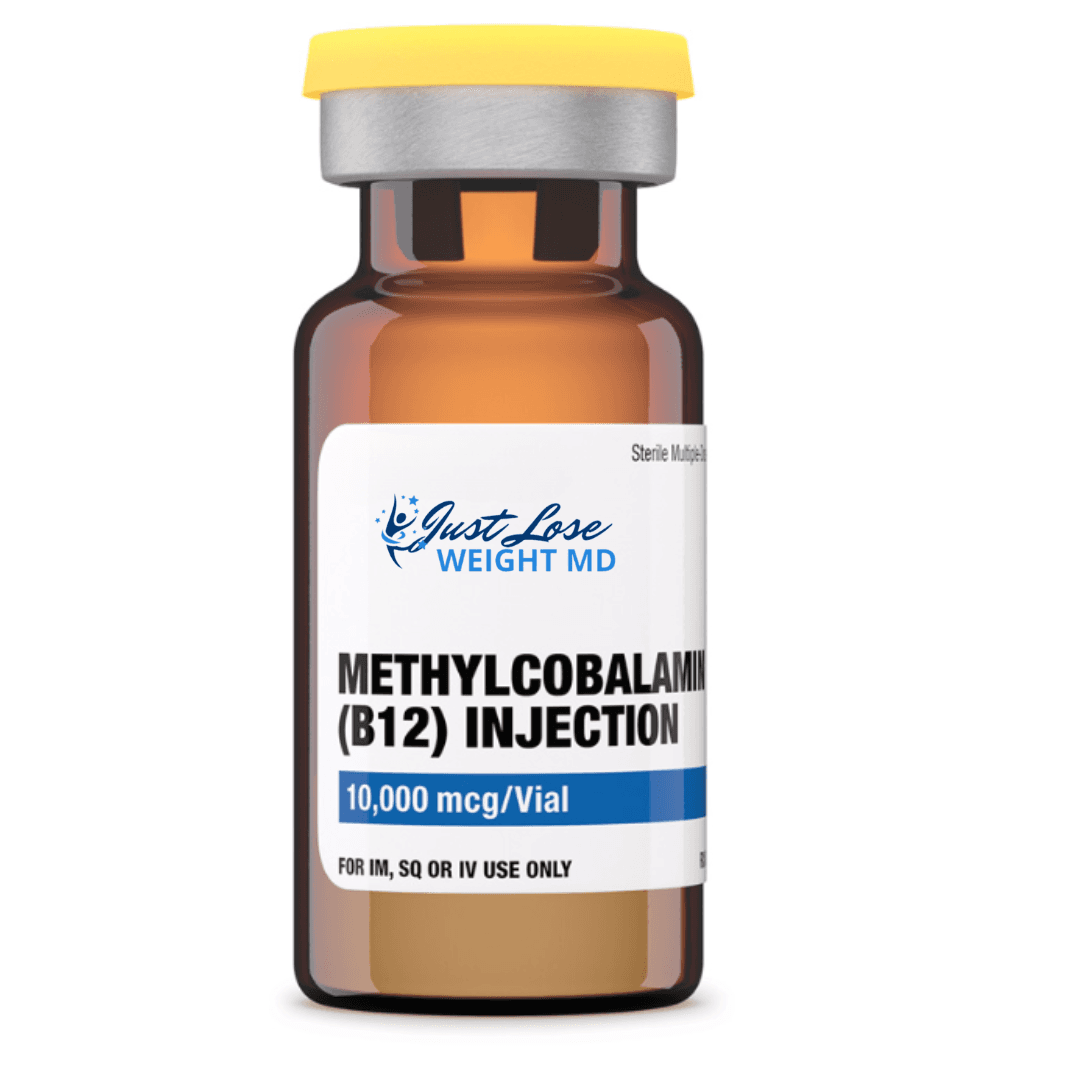
This article outlines an approach to interpreting and working up a high serum B12 in adults by separating four possibilities: intake-related elevation, disease-associated hypercobalaminemia (an elevated blood B12 associated with an underlying condition), analytical interference, and functional deficiency
B vitamins help ensure you are actually getting the most "bang for your buck" from those extra calories, helping you feel more alert and less drained
(PubMed) Green R, Miller JW
B12 needs vary based on the cause of deficiency, symptom severity, diet, and absorption issues (such as pernicious anemia or digestive conditions)
(Outlines contraindications for niacin therapy, including active peptic ulcer disease, active liver disease with elevated enzymes, hypersensitivity to niacin, and arterial bleeding, as well as monitoring recommendations for blood pressure, glucose, uric acid, etc., due to niacins systemic effects)