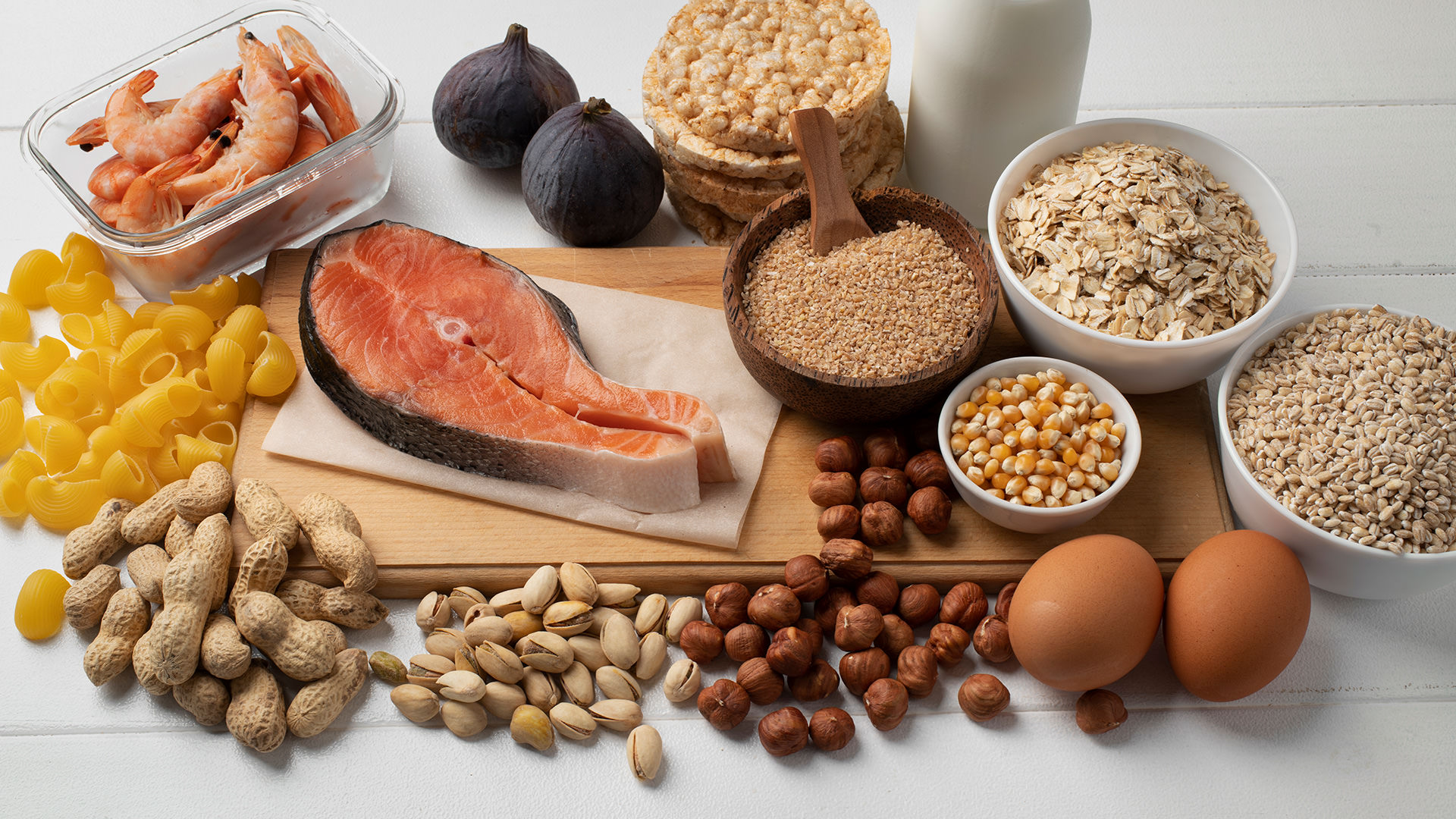
Many foods that are high in glutathione, sulfur, and other antioxidants have been linked to improved glutathione levels, such as ( 4 ): whey protein powder (high in cysteine) cruciferous vegetables (e.g., broccoli, cabbage, cauliflower, bok choy, Brussels sprouts) allium vegetables (e.g., garlic, onions, shallots) other fruits and vegetables (e.g., asparagus, avocado, cucumber, green beans, mango, papaya, spinach, and tomato) herbs and spices (e.g., curcumin from turmeric) green tea selenium-rich foods (e.g., Brazil nuts, beef, chicken, seafood, dairy products, and whole grains) vitamin C foods (e.g., bell peppers, papaya, mango, oranges, kiwi, Brussels sprouts, cabbage, cauliflower) omega-3s (e.g., fatty fish, omega-3 supplements ) While helpful, it's currently debated whether eating a diet rich in glutathione will significantly improve glutathione levels, since it's not completely absorbed through food

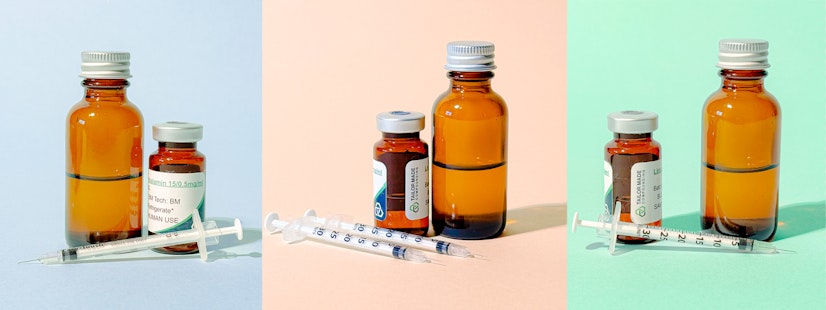
As people search for "ProHealth BPC-157 review" and "is ProHealth BPC-157 legit" following ad exposure, one question dominates: How do you evaluate quality and legitimacy in a market flooded with unverified peptide products
Men using this protocol for 3-6 months typically see improvements in testosterone levels, energy, and overall reproductive health markers
doi: 10.1016/j.yexmp.2021.104617 276 YangXLiJWuYNiBZhangB
doi: 10.3390/plants12030494 104 HendersonT