Key pathophysiologic mechanisms include: Mucosal barrier dysfunction: Impaired epithelial tight junctions allow bacterial translocation, triggering innate immune activation T-helper cell dysregulation: Predominantly Th1 and Th17 pathways drive chronic inflammation via TNF-, IL-12, IL-23 the basis for biologic therapy targets Transmural inflammation: Unlike UC (mucosal only), CD involves all layers: mucosa submucosa muscularis propria serosa Granuloma formation: Non-caseating granulomas are pathognomonic but present in only ~3050% of biopsies Fibrosis and stricture: Chronic inflammation activates myofibroblasts collagen deposition luminal narrowing obstructive symptoms Fistula formation: Transmural ulcers penetrate serosa form sinus tracts connect to adjacent bowel, bladder, vagina, or skin 7
Acetyl-CoA serves as a pivotal central metabolite and precursor in the intricate fatty acid synthesis process [75]
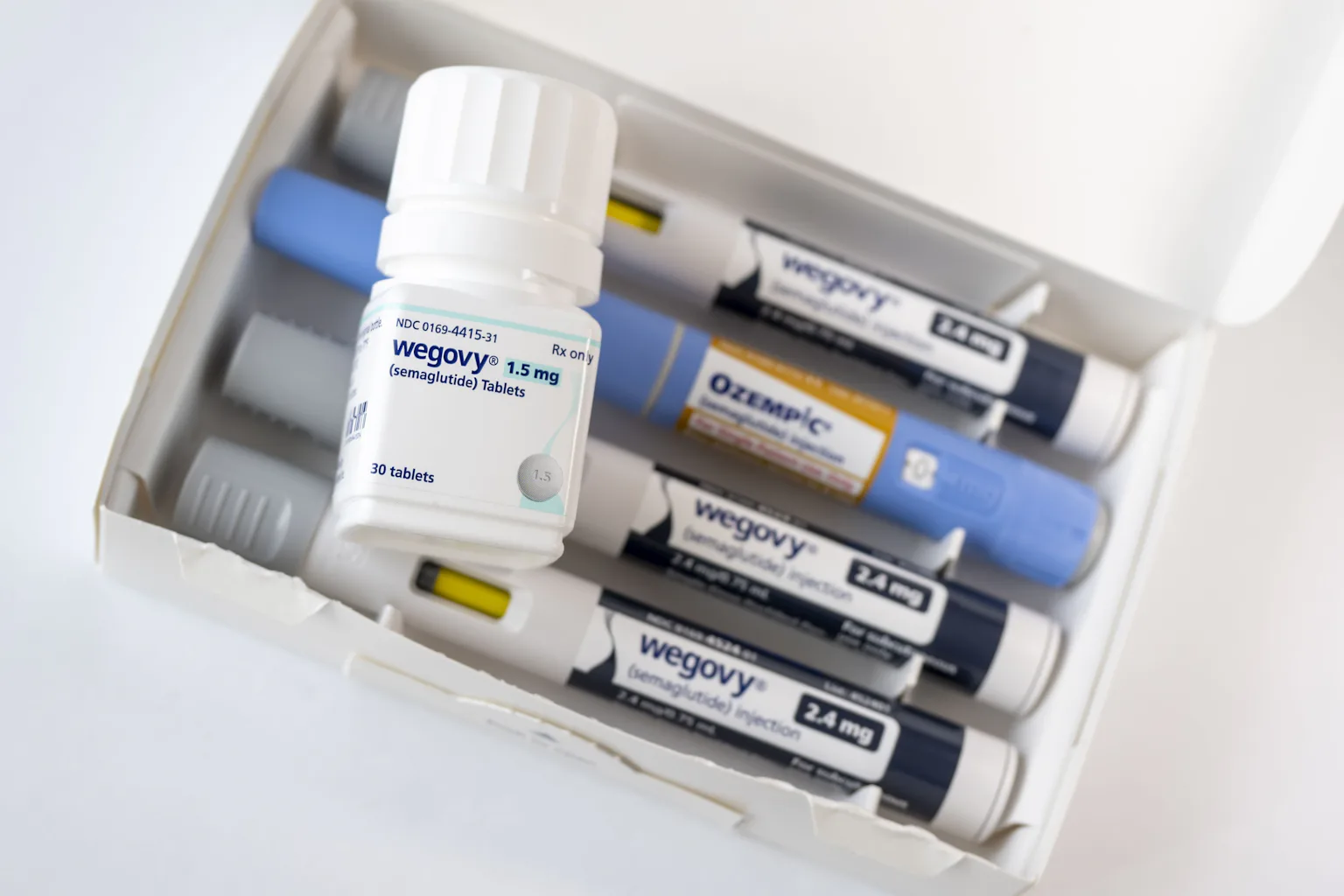
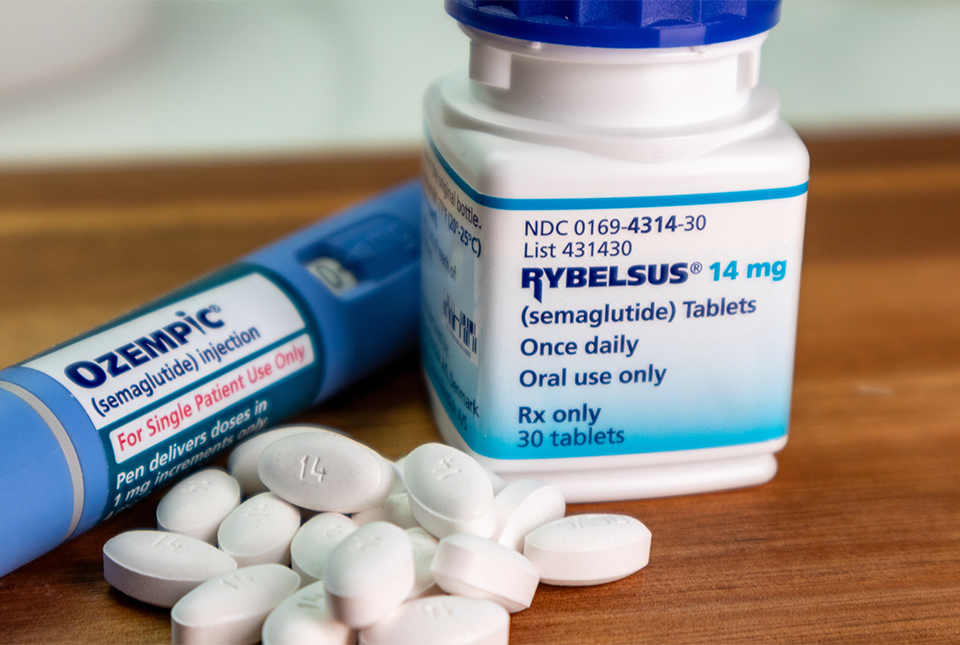
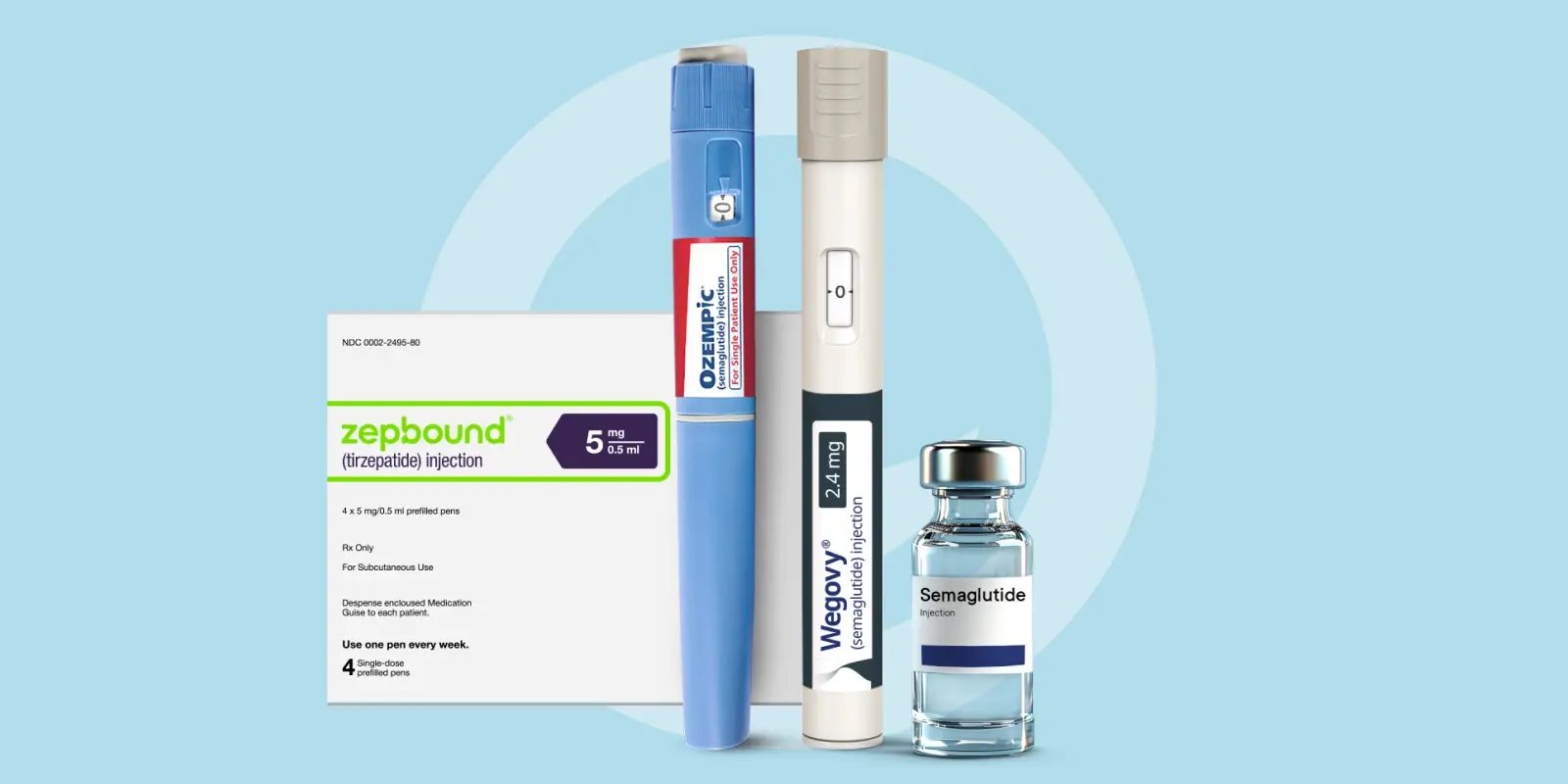
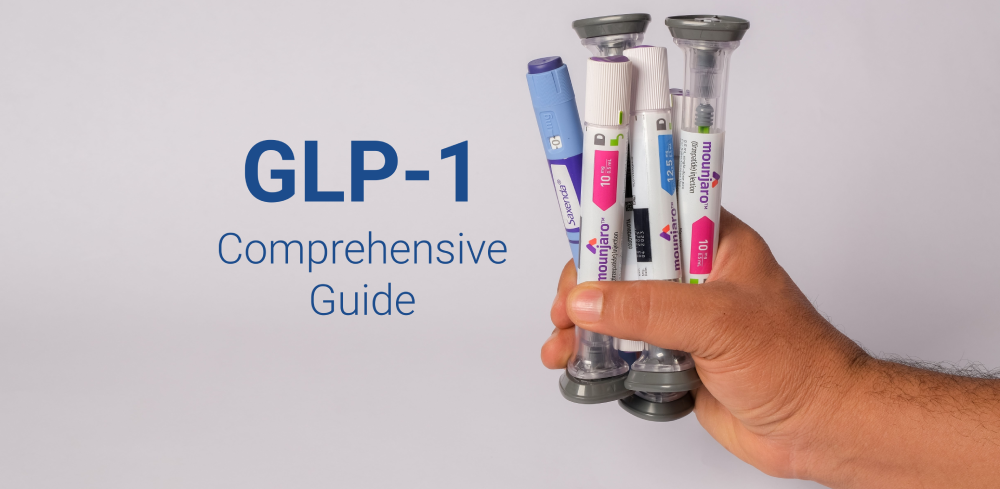
Everyone responds differently to medications Dosage adjustments may be necessary based on individual response to the medication, including weight loss progress, blood sugar control, and tolerability of side effects
Reliable detection at the earliest signs of AD related pathology could permit drug treatment many months or even years ahead of symptoms
See more MHA is known by many different names, including, but not limited to, dimethylamylamine, 1,3-dimethylamylamine, dimethylpentylamine, methylhexamine, methylhexanamine, 1,3-dimethylpentylamine