Rather than alterations in single components, the impact on depression pathobiology may be due to the net effect of different dysregulations and interrelated compensatory mechanisms in such a complex network, which could be fully unraveled only by further functional and mechanistic studies
2 Potential uses of nanotechnology in dermatology Nanotechnology has revolutionized drug delivery, particularly in dermatology ( Nanocarriers, including polymeric nanoparticles and lipid-based carriers, have shown a potential to enhance the transportation of medicinal substances to the skin, improving absorption and efficacy in medication delivery for various skin disorders, including alopecia, vitiligo, and psoriasis ( Figure 1
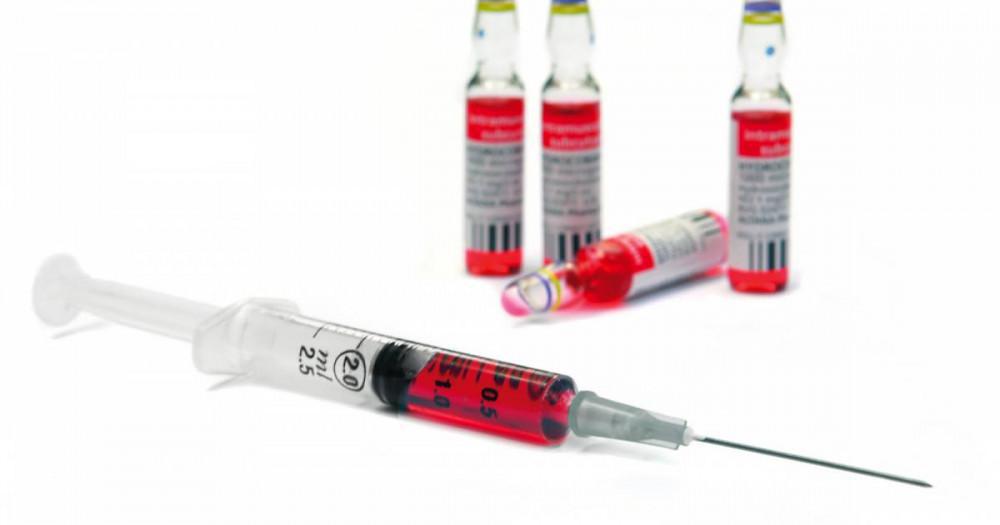
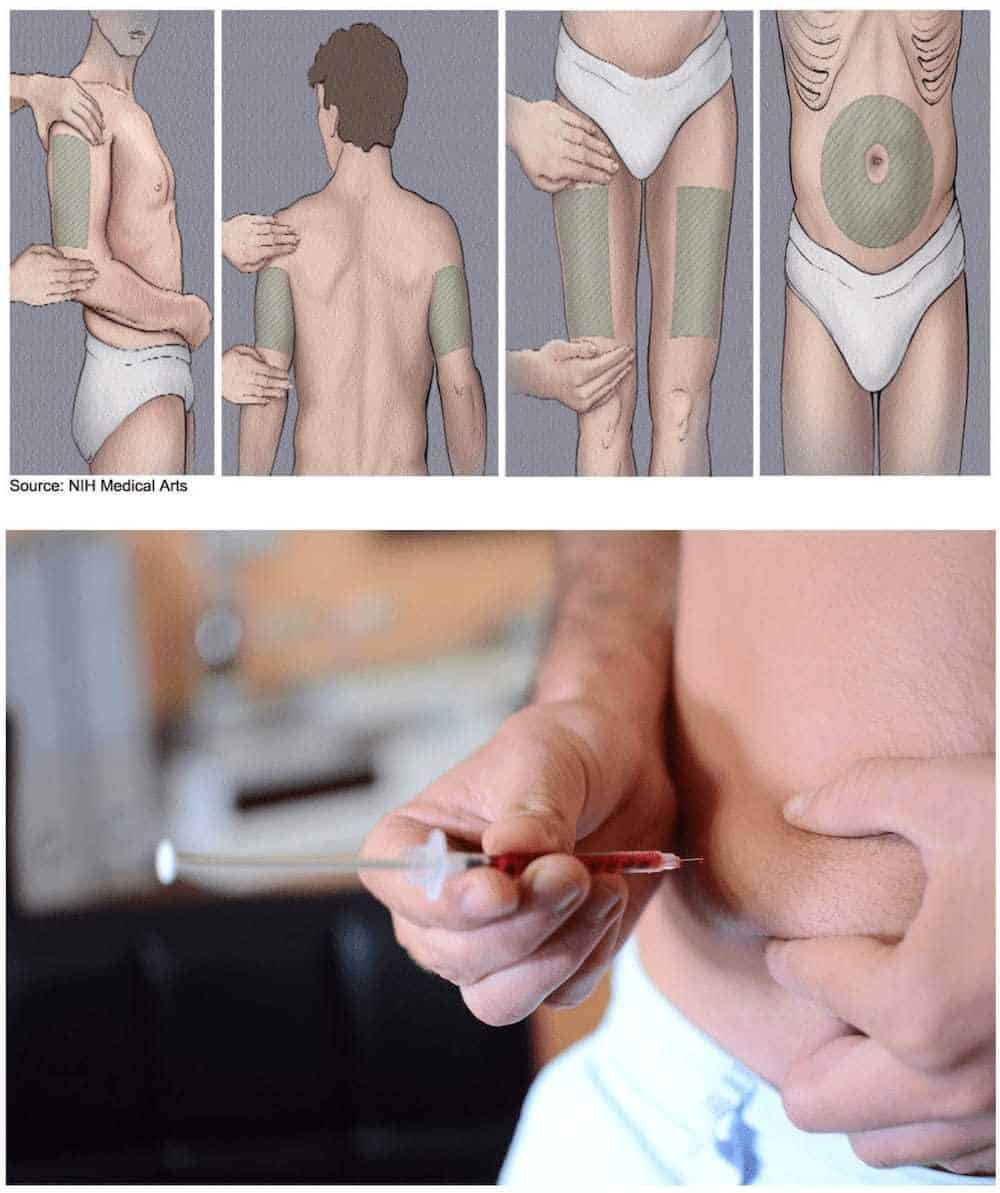
Conversions between mg, mcg, mL, and insulin syringe units are necessary to determine how many units to draw, how many doses are available per vial, and the estimated duration of your supply
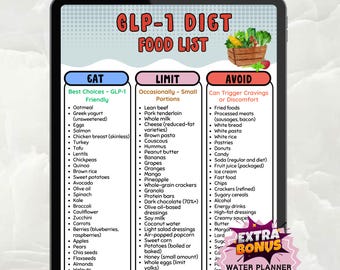
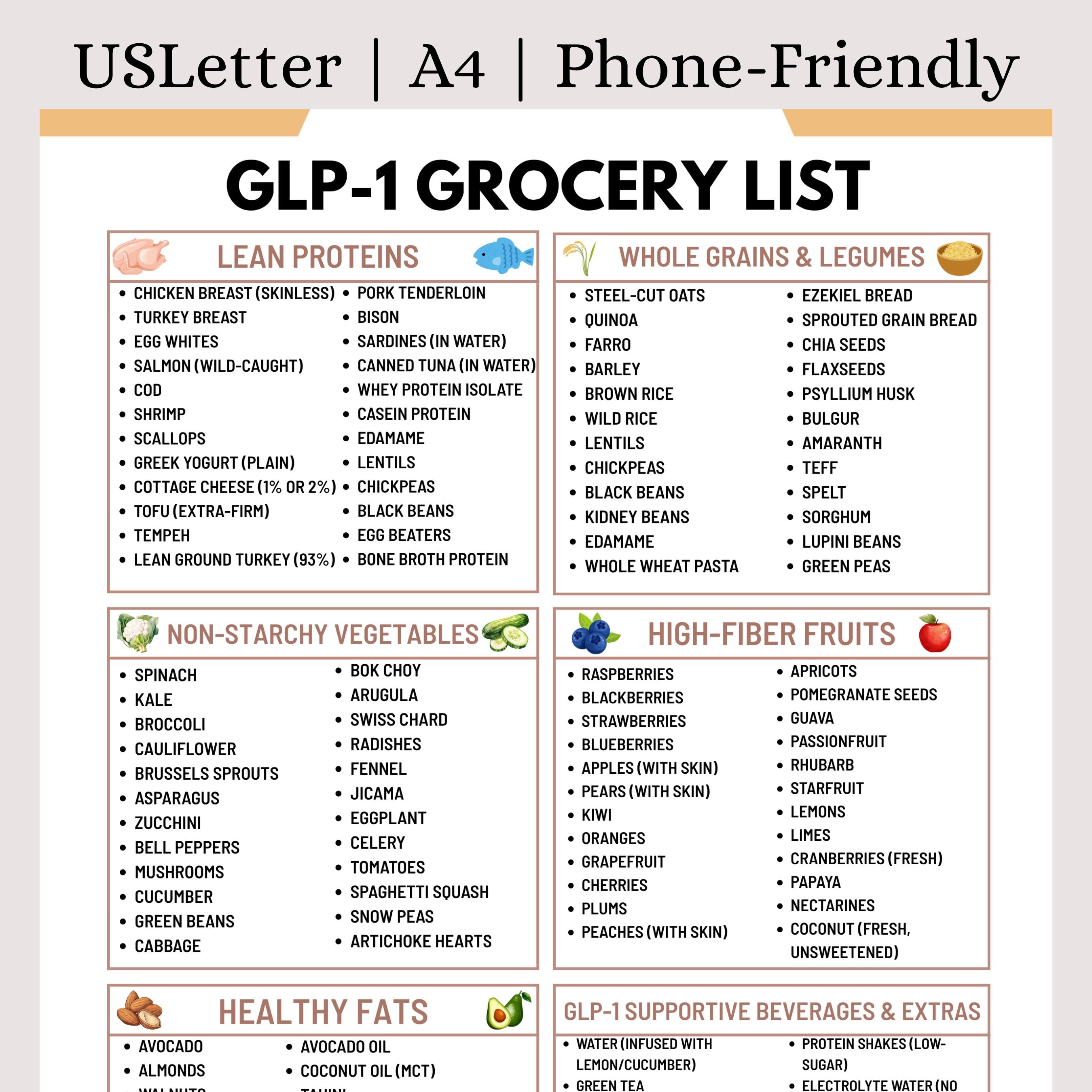
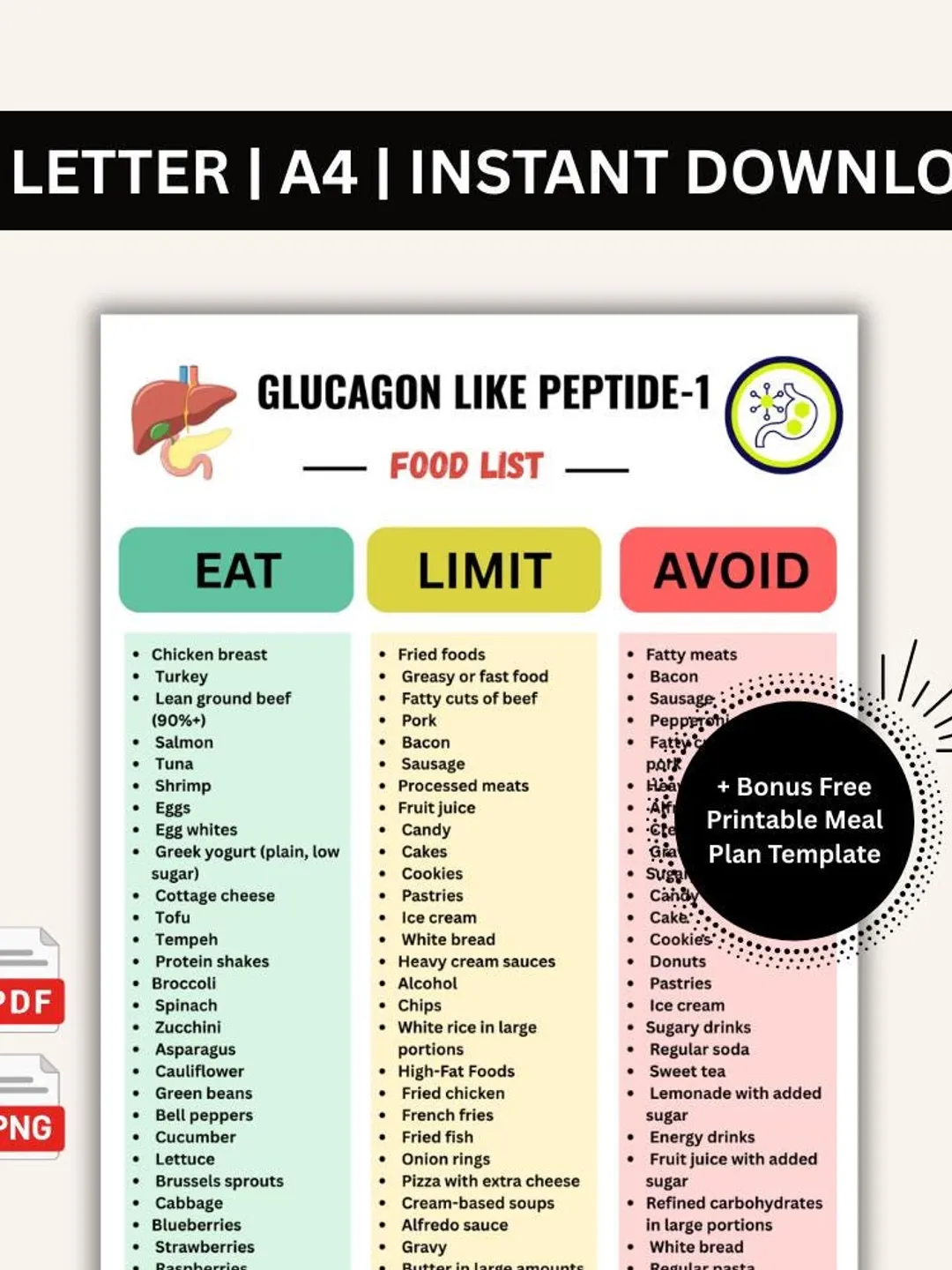
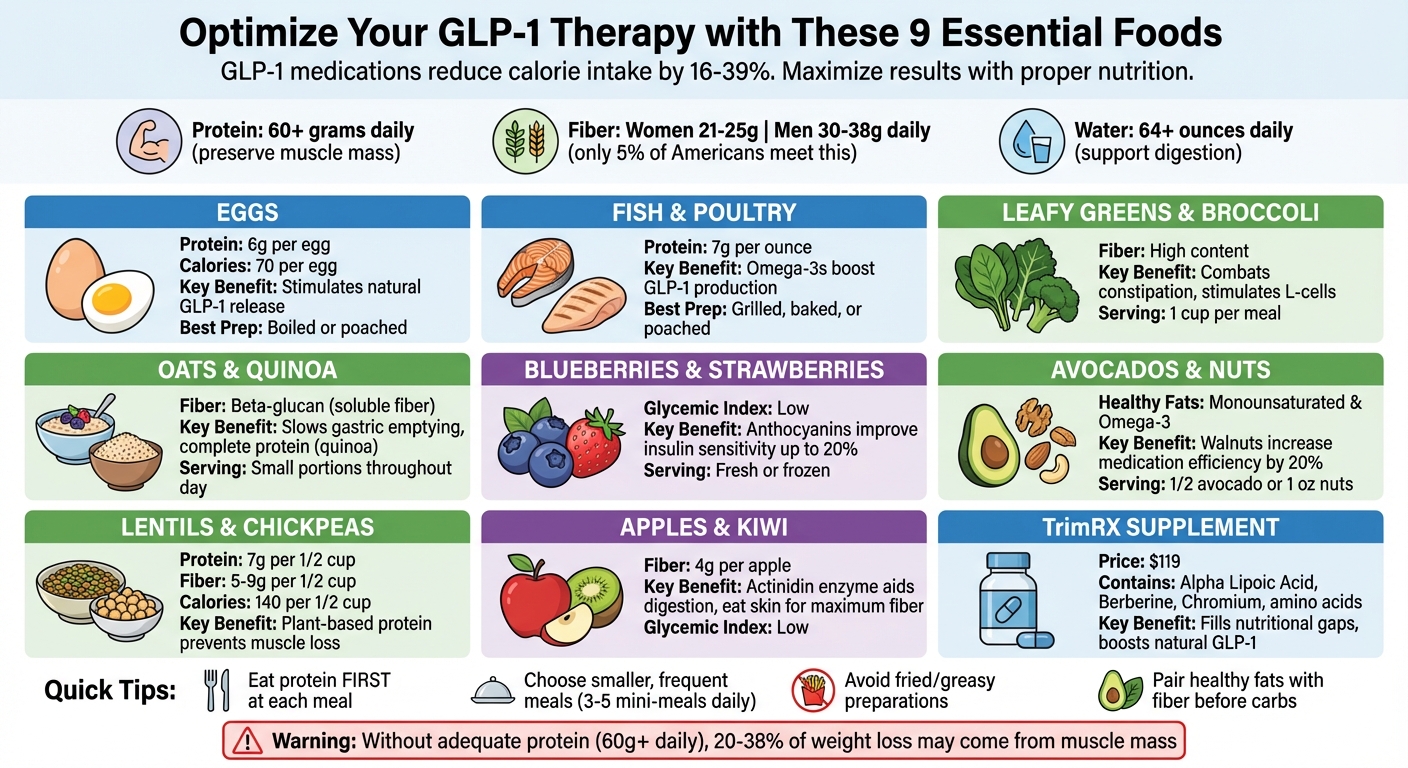
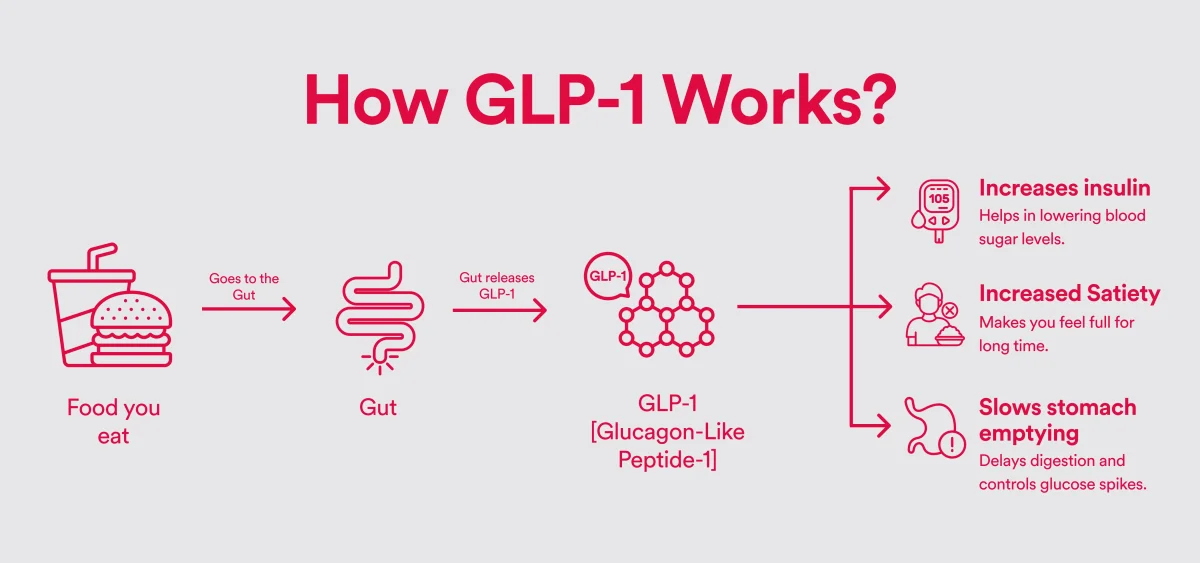
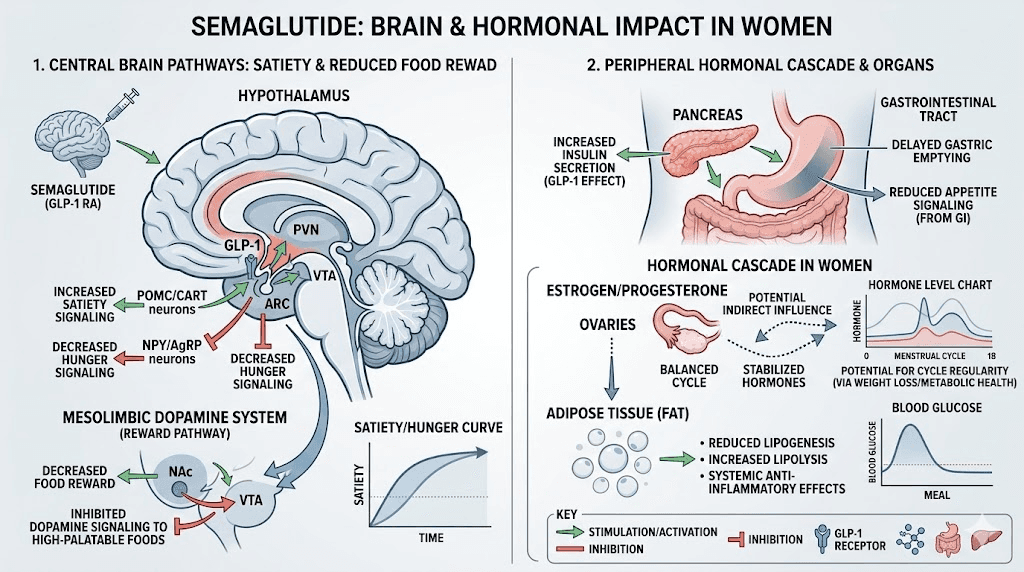
It triggers the release of insulin, which helps to regulate blood sugar levels, slow digestion and increase feelings of fullness.[1][2] These effects are why GLP-1-based medications (such as Mounjaro and Ozempic) have become so widely used in the management of type 2 diabetes and weight loss
Because leptin and resistin levels are regulated by the activity of peroxisome proliferator-activated receptor gamma (PPAR) in epididymal white adipose tissue (eWAT), we further examined the expression of PPAR 23,24