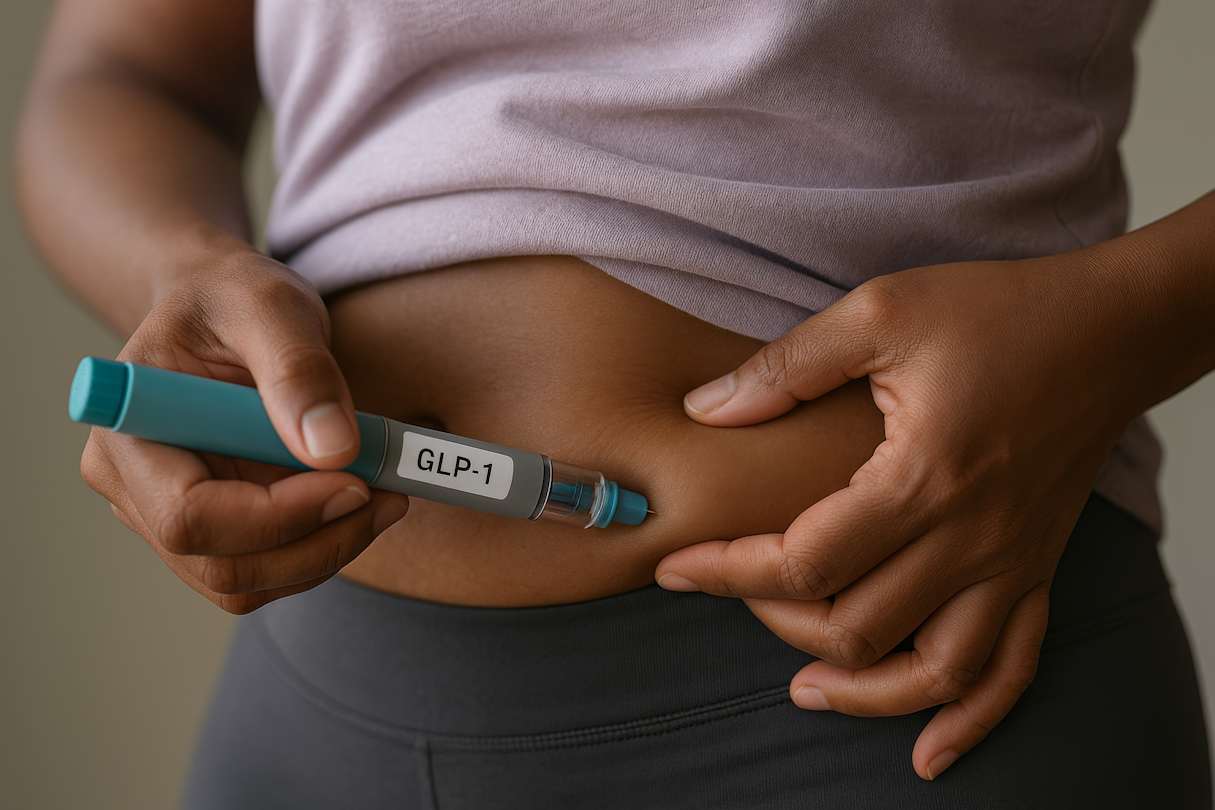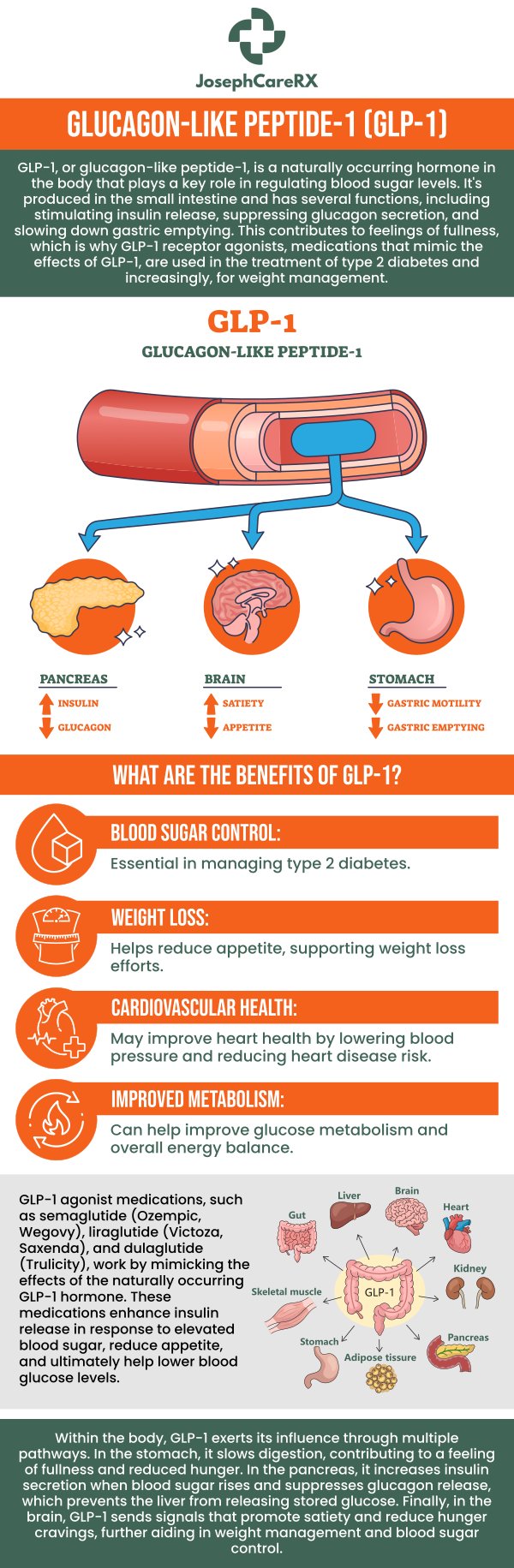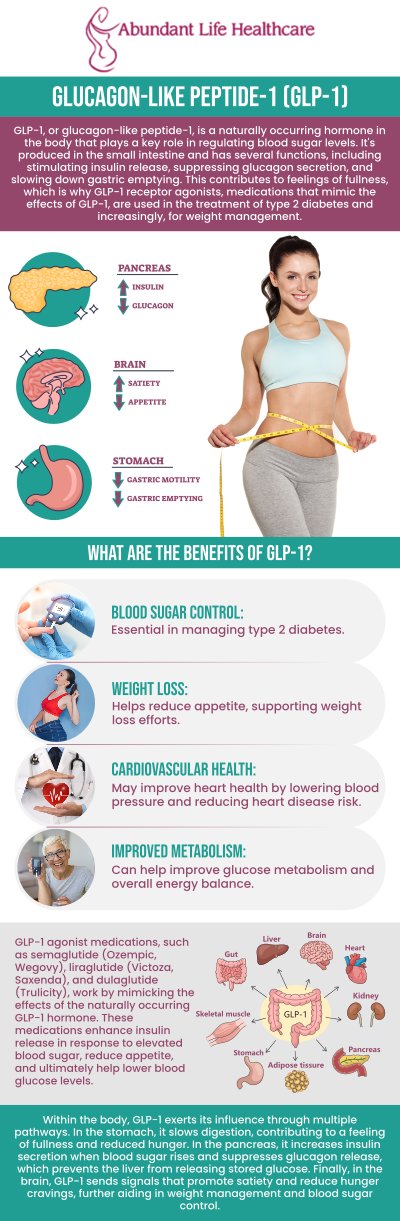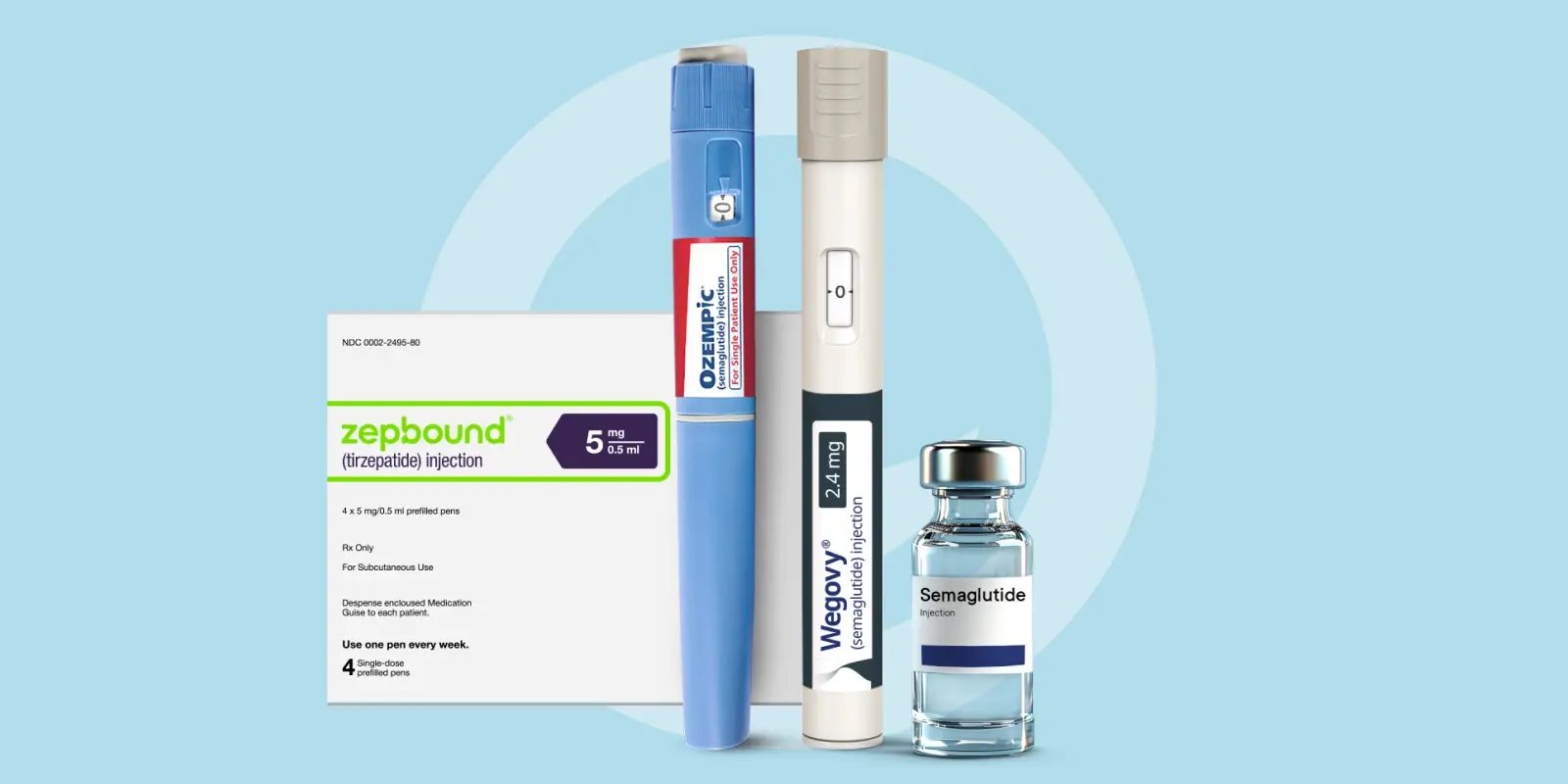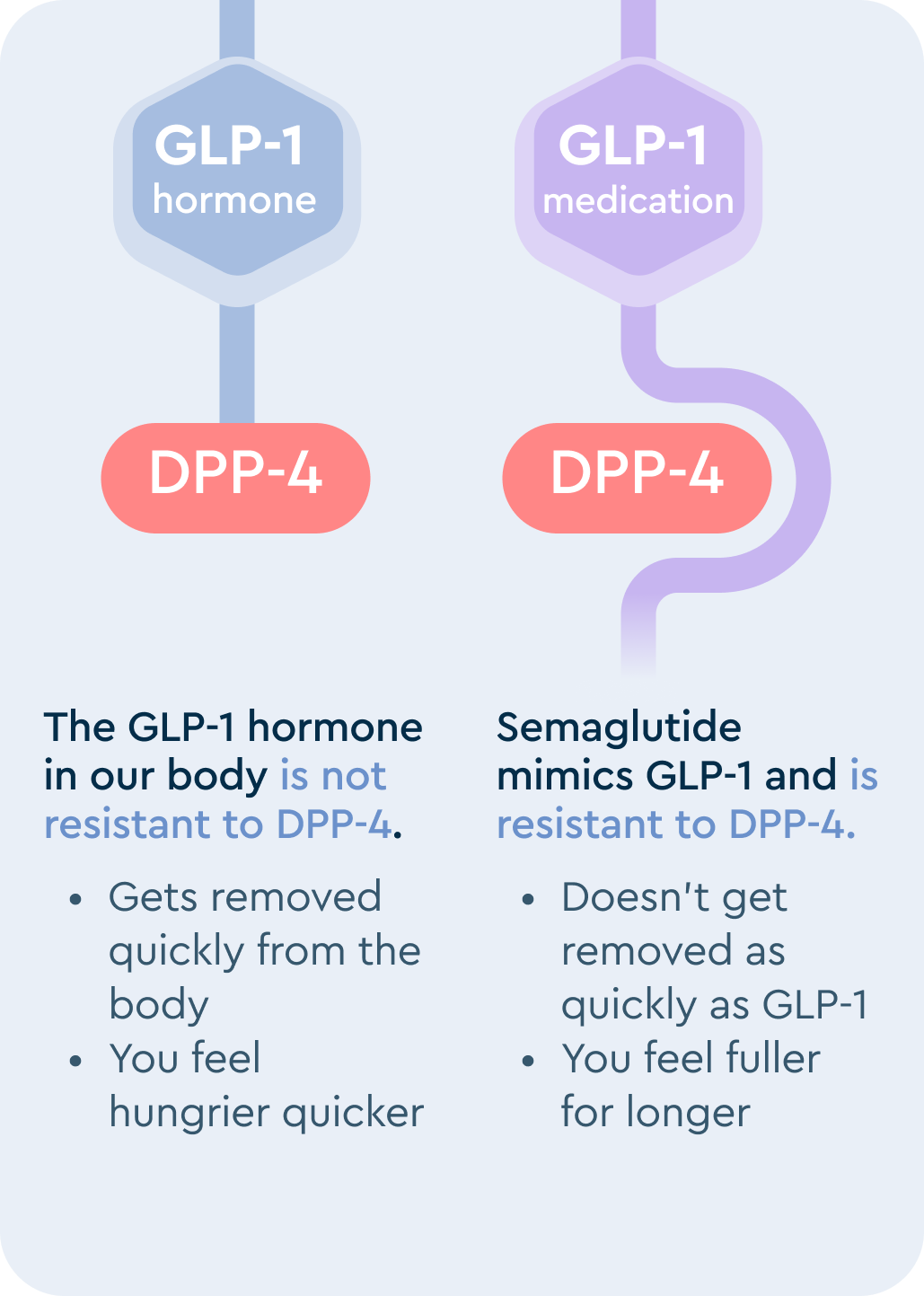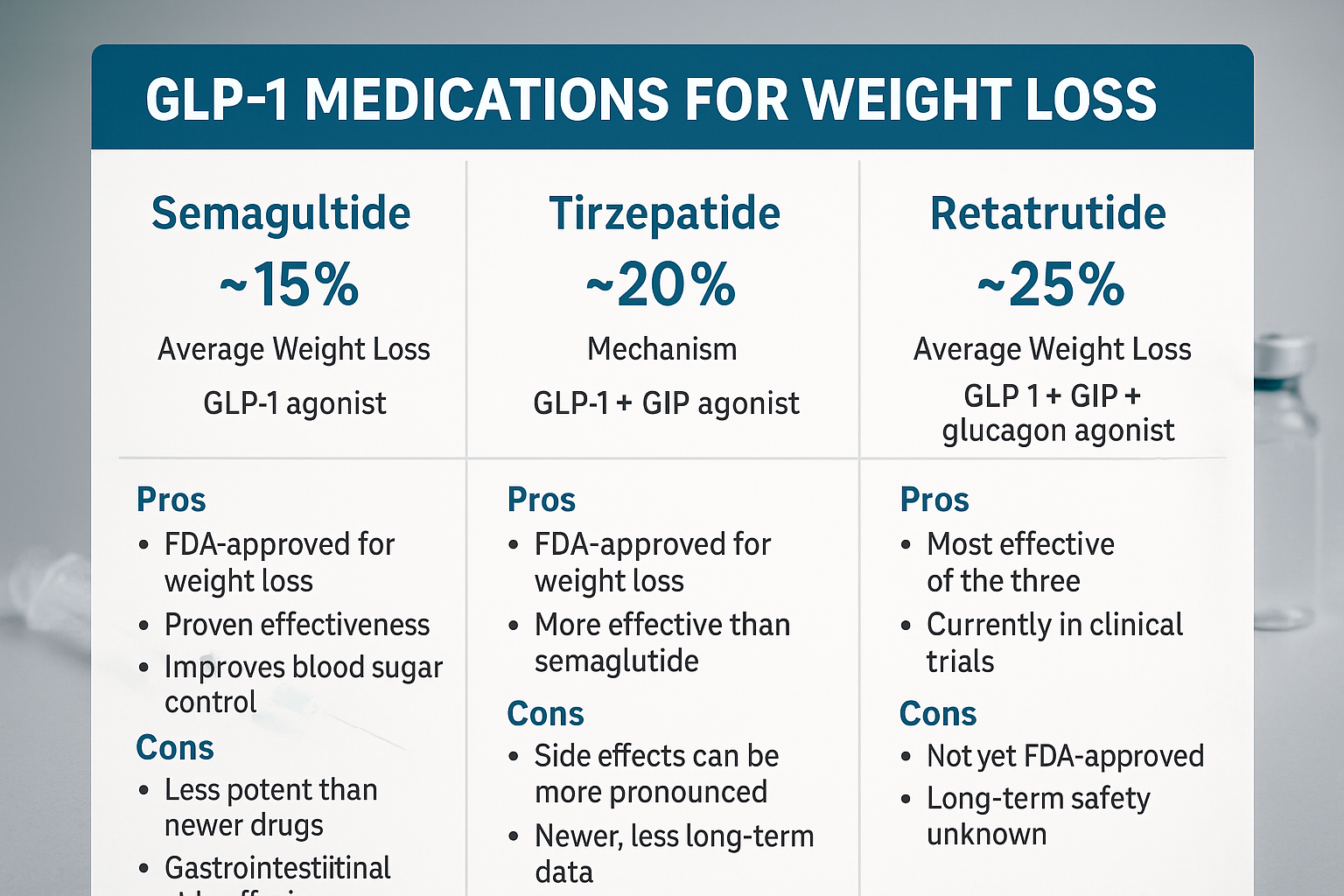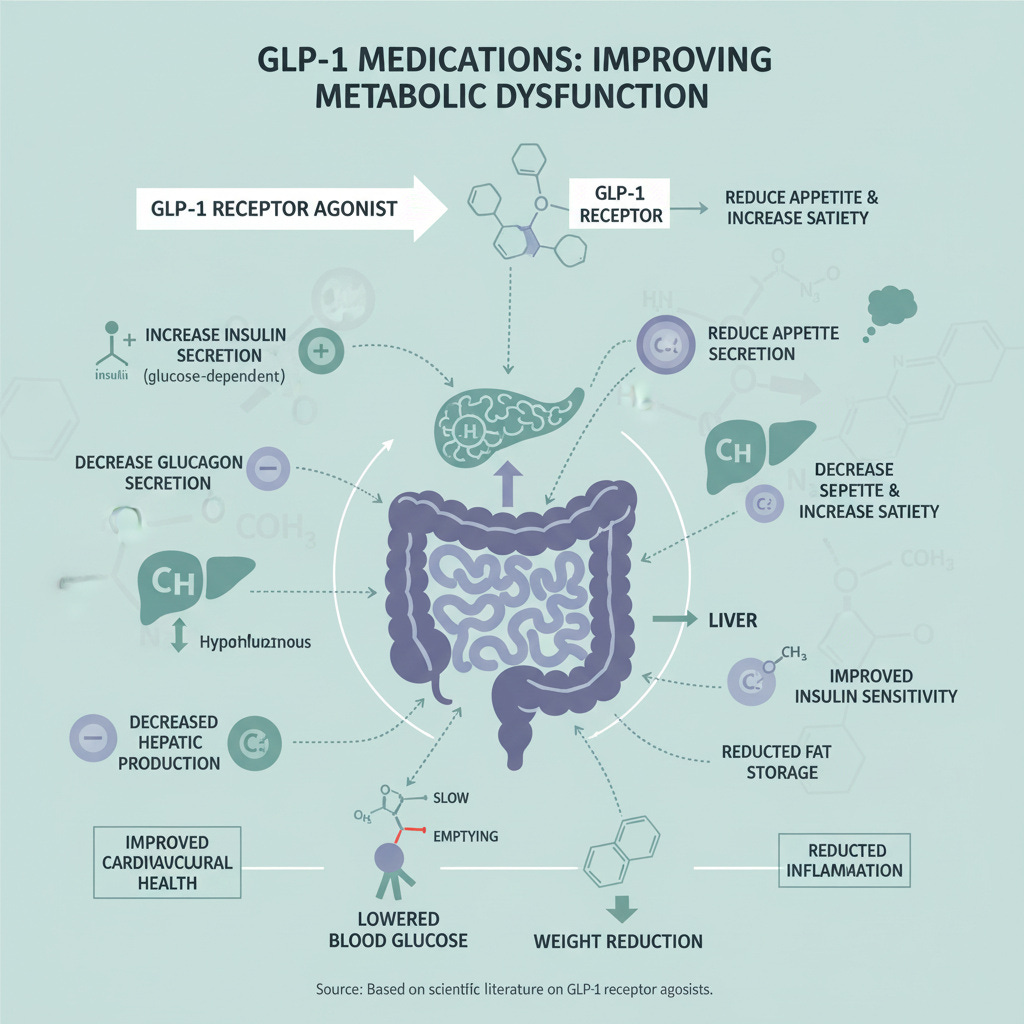
Semaglutide further encourages weight loss by mimicking a hormone called GLP-1, which regulates blood sugar levels as well as appetite
It transports long-chain fatty acids into mitochondria, enabling their use as energy
"I was like, 'If I can survive a C-section, I can do anything!' [and] I was very dedicated and I started seeing the pounds come off like one week at a time, one pound I learned that I do like healthy food and I learned what portions mean
I was merely a GLP-1 novice then: two weeks in, a few pounds thinner
On top of these learning processes, increased food cue reactivity is associated, over time, with important health-related outcomes, including weight gain or regain [50,65,76], disordered eating behaviors and eating disorders [77,78,79], and, consequently, loss of quality of life [45,80]