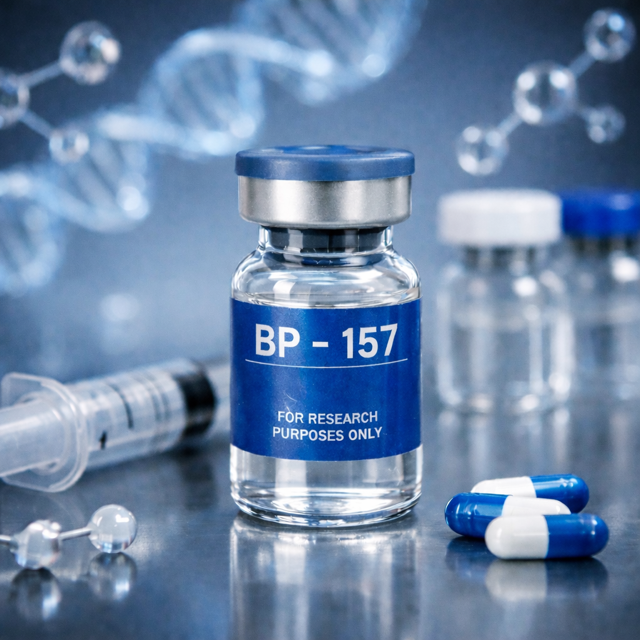
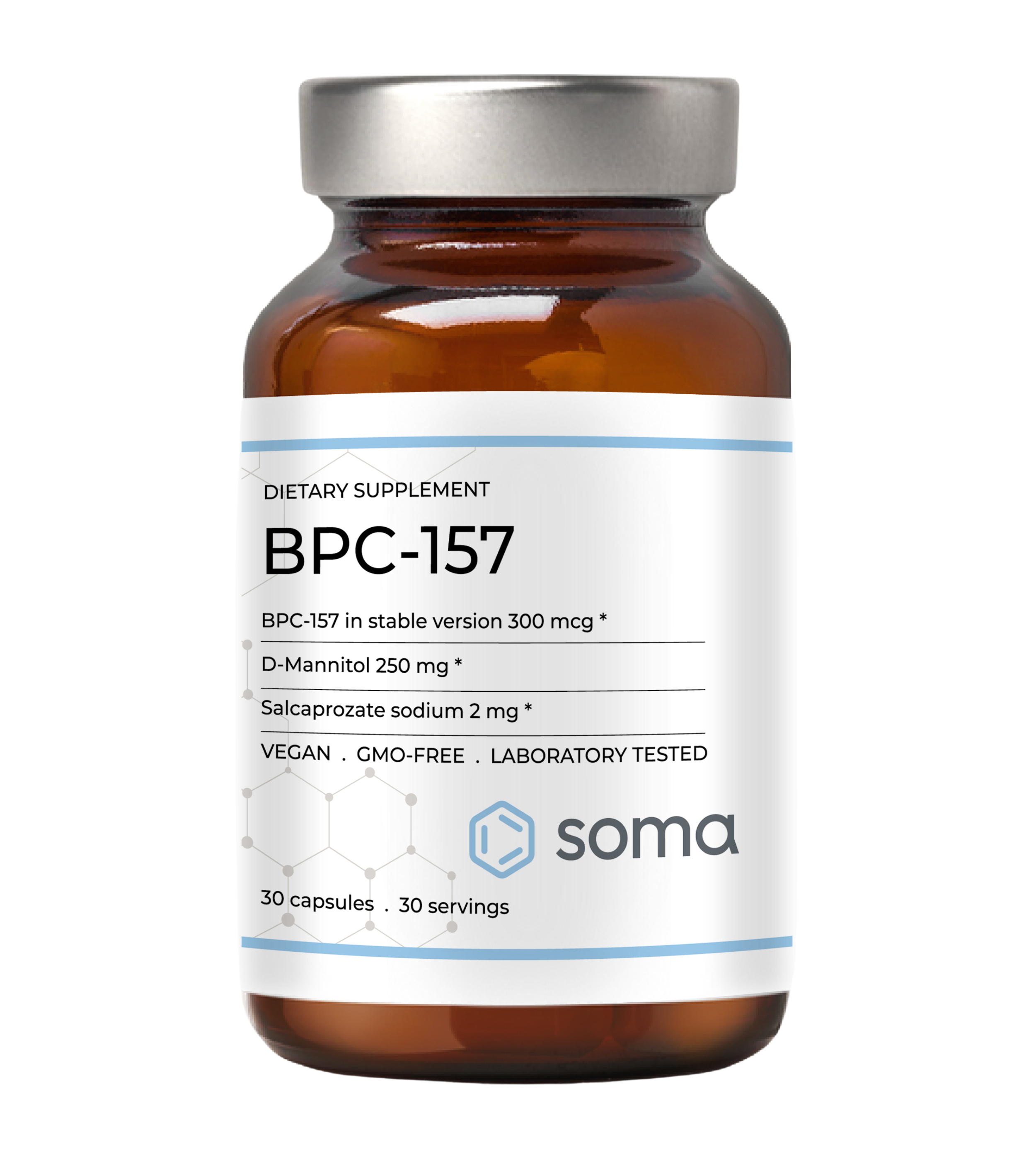
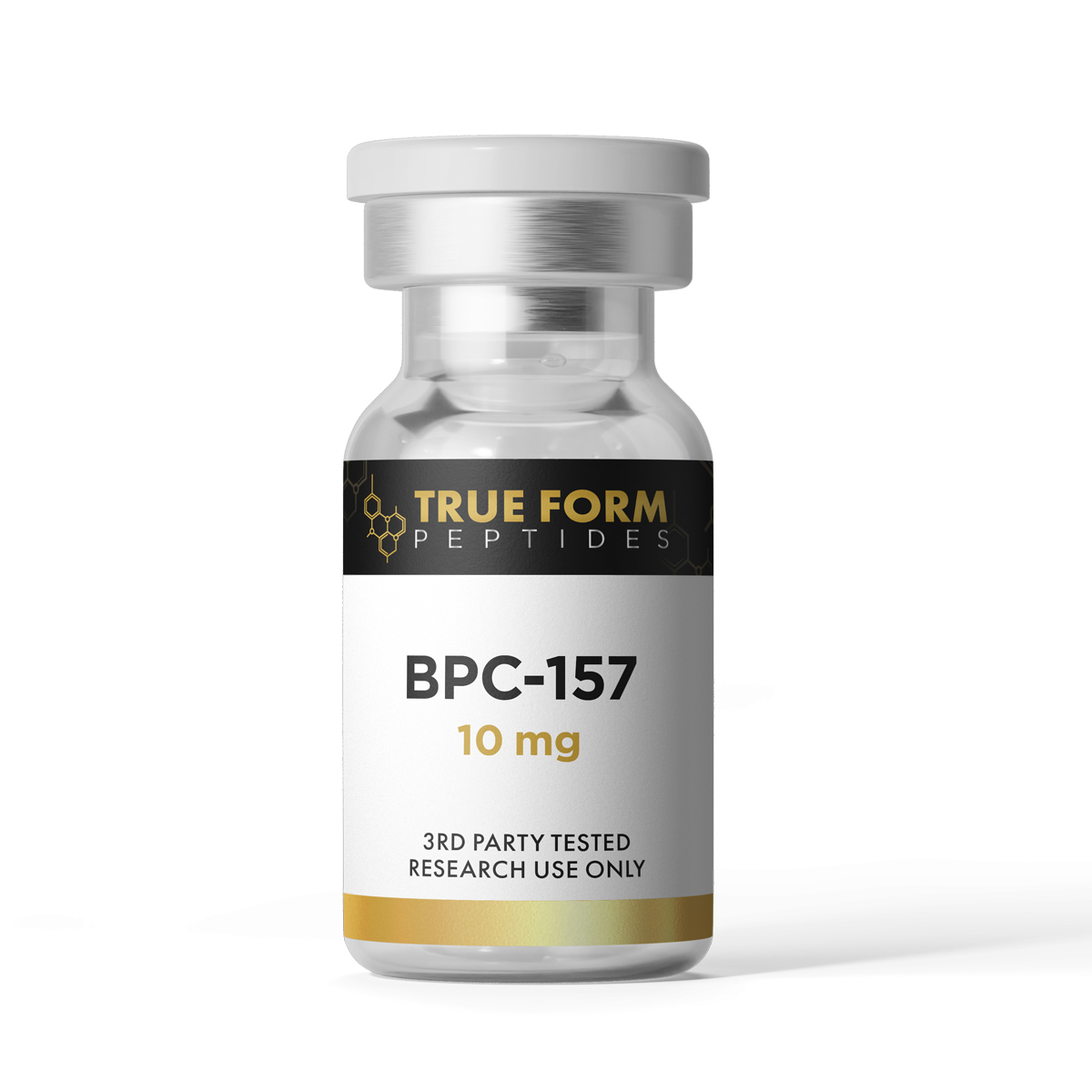
Examples from related peptide use indicate cautious low-dose trials under supervision, not routine high-dose supplementation
(109) found that cashew protein hydrolysate inhibited the production of pro-inflammatory cytokines in the brain of rats with arterial occlusion-induced cerebral is chaemia, and by modulating the function of lipid metabolism, its modulation of serum cholesterol, TG, and LDL, and elevation of HDL, greatly improved spatial memory in rats
Practical considerations for mental health peptide research Understanding the science behind mood-modulating peptides is necessary but insufficient
So, right now, we've begun design of a scoping review on low-sulfur diets, which I want to talk to you about and see if I can rope you in on air for, and the other is a safety study on bismuth
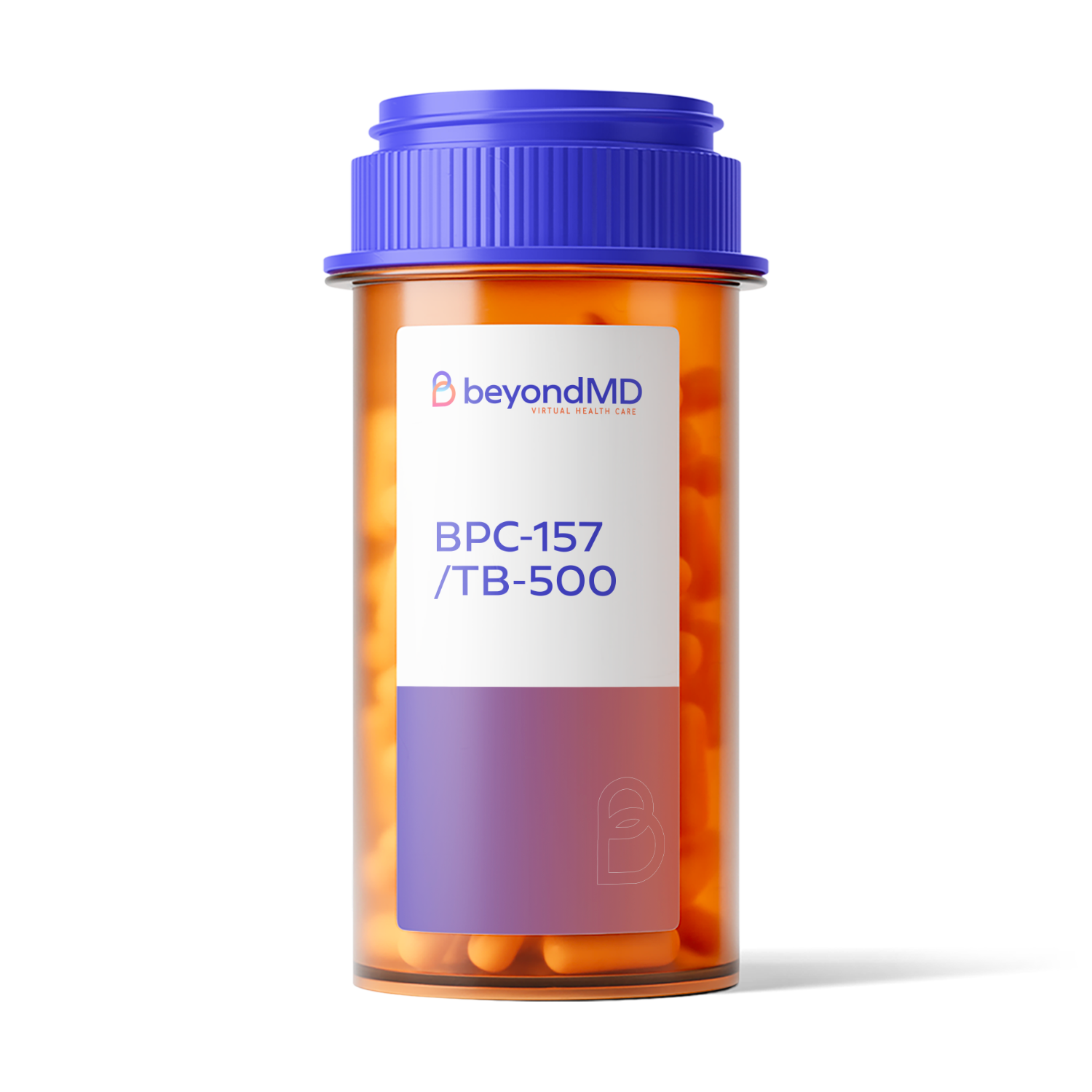
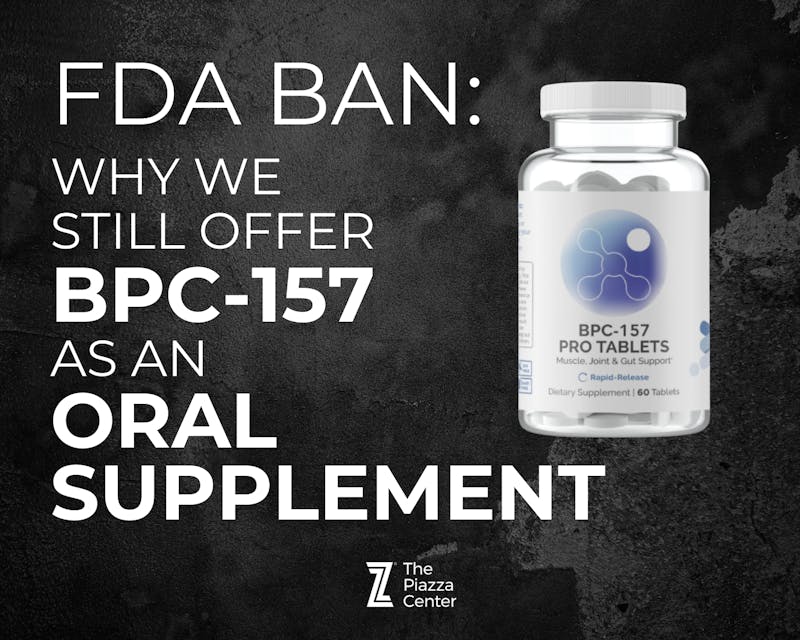
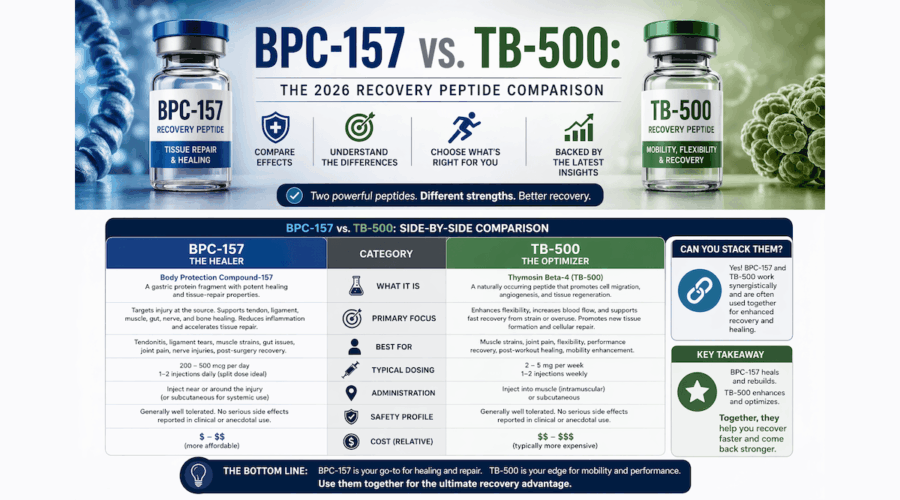
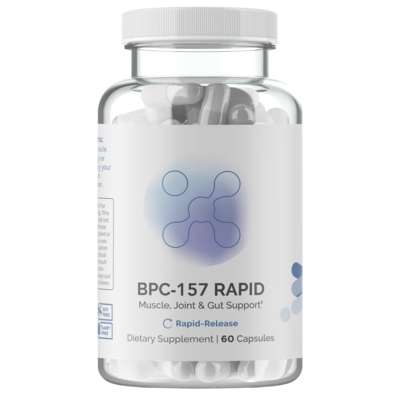
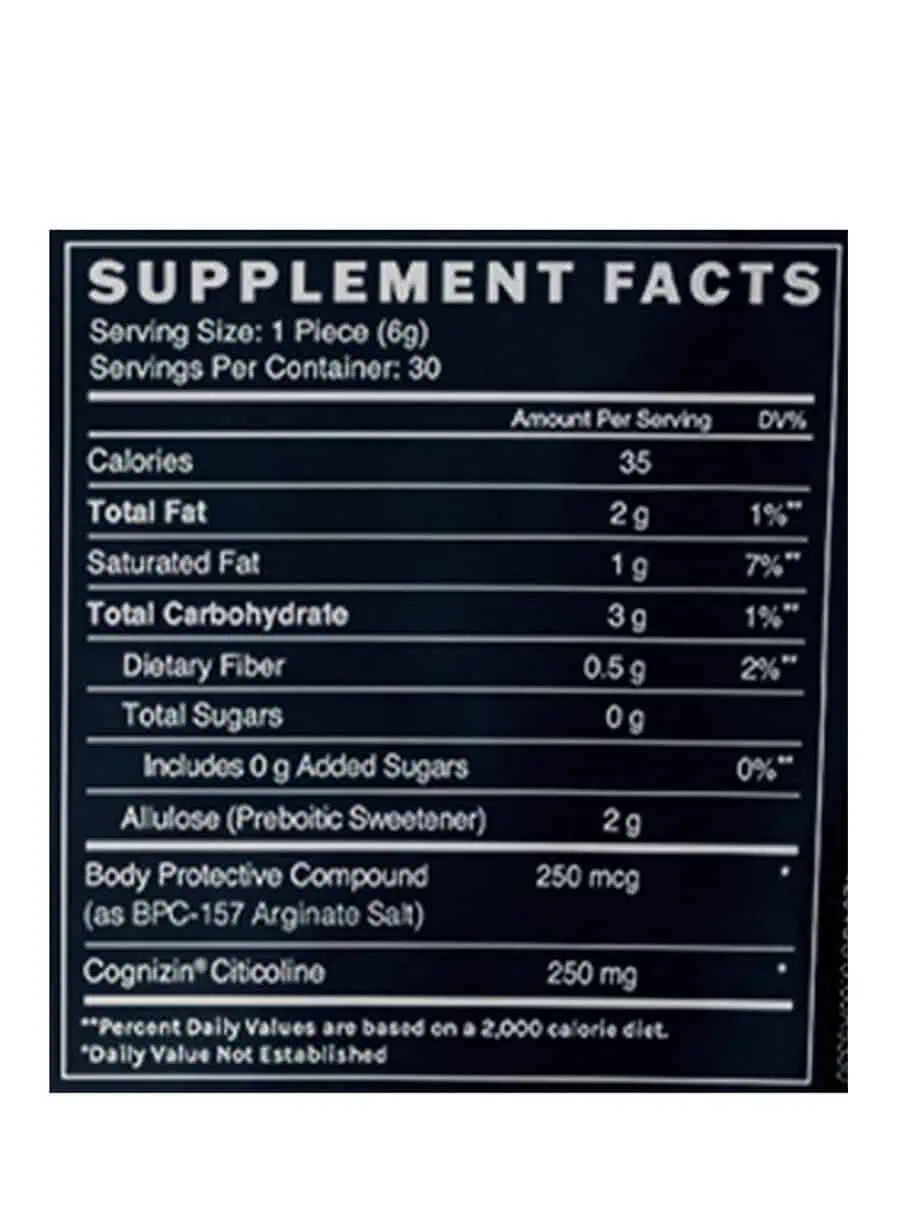
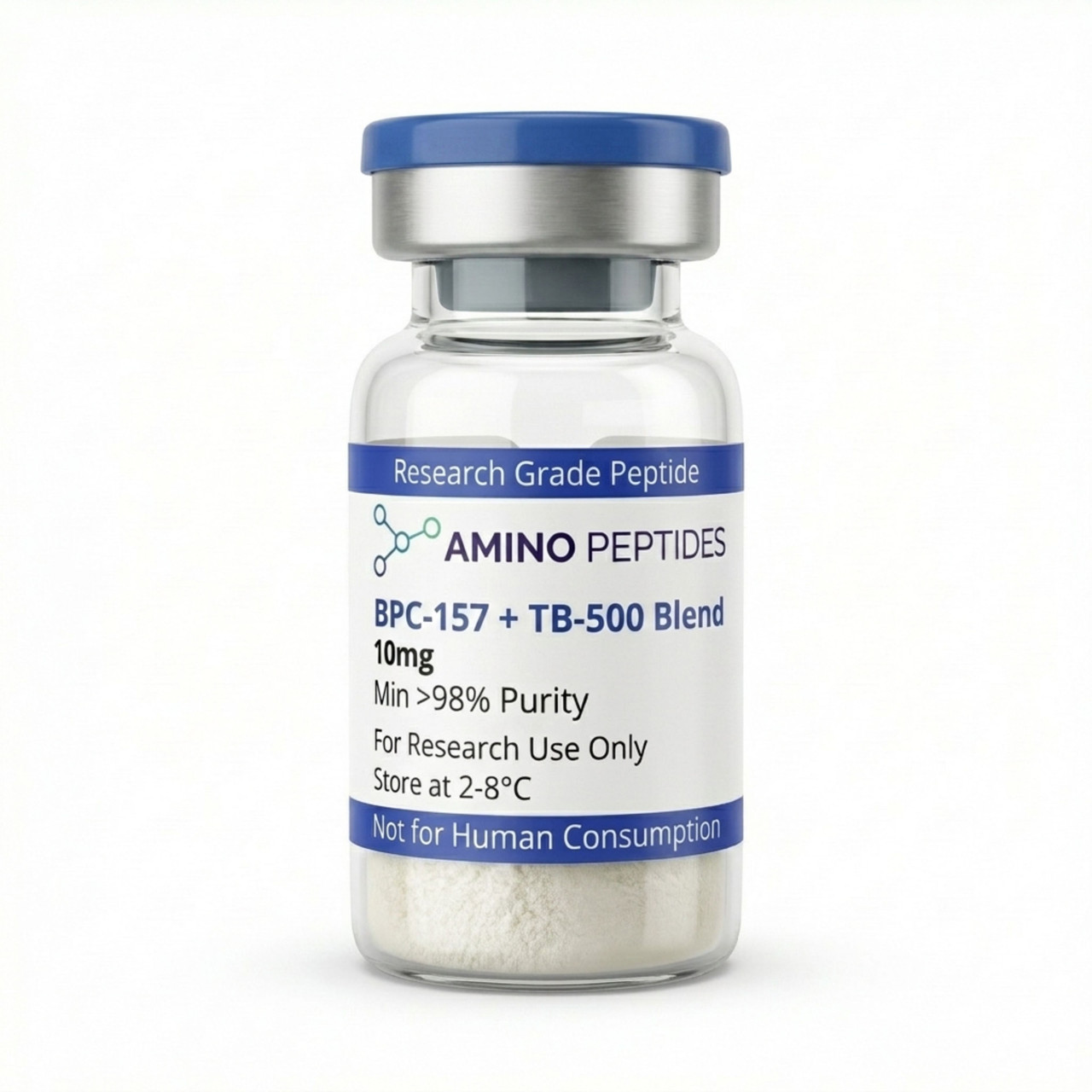
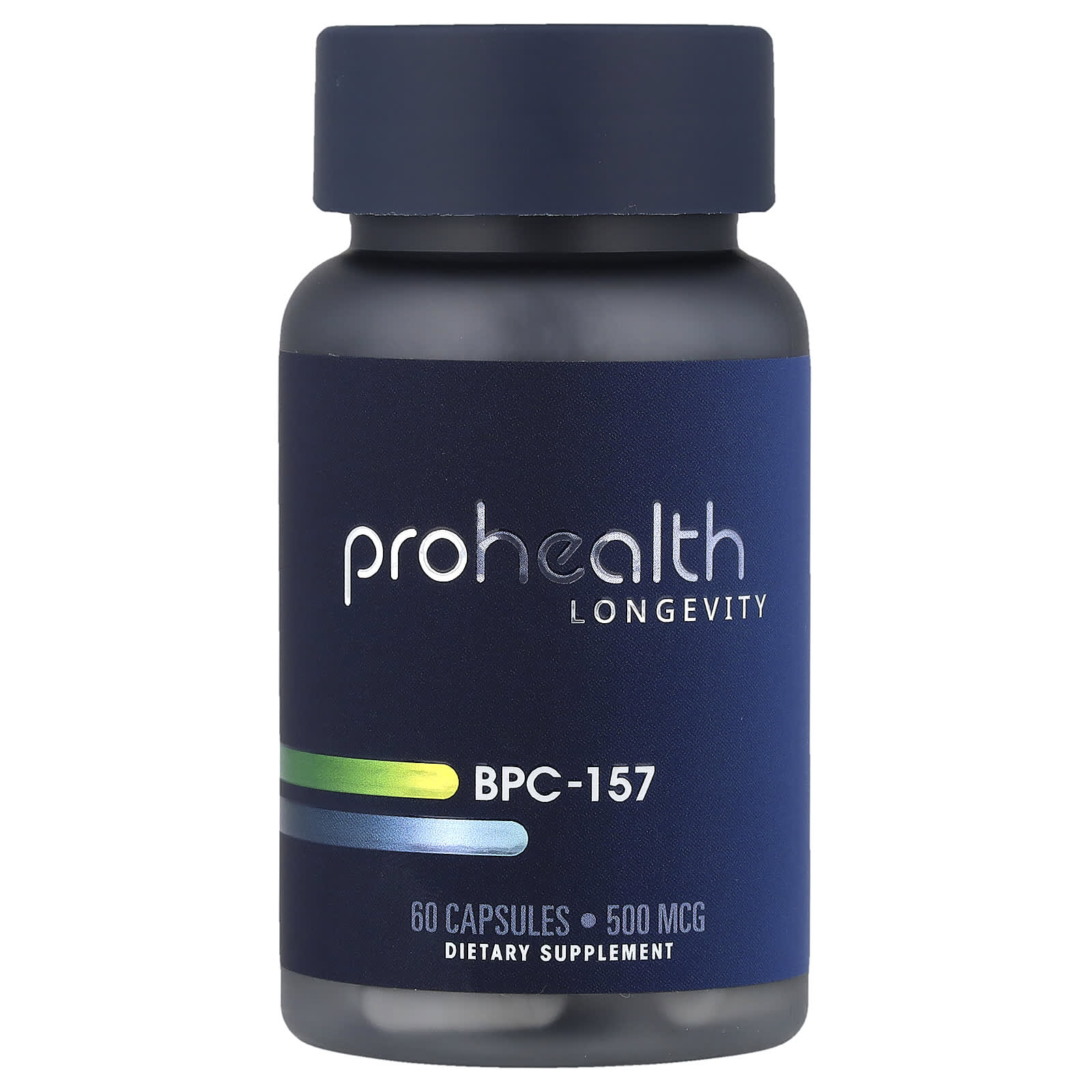
Research has primarily focused on its potential role in: Tendon, ligament, and muscle regeneration Supporting fibroblast migration Angiogenesis Regulation of vascular responses Protection of gastrointestinal tissues Recovery processes following experimentally induced injuries Experimental studies using cell cultures and animal models suggest that BPC-157 may promote fibroblast proliferation, stimulate collagen synthesis, and influence signaling pathways involved in tissue regeneration, including the FAK-paxillin and VEGFR2 signaling pathways